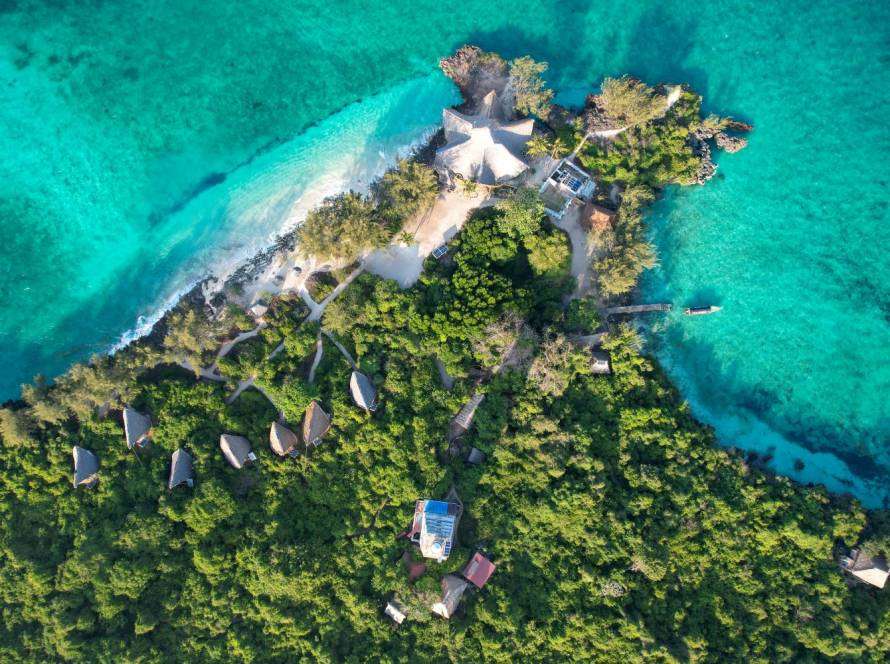
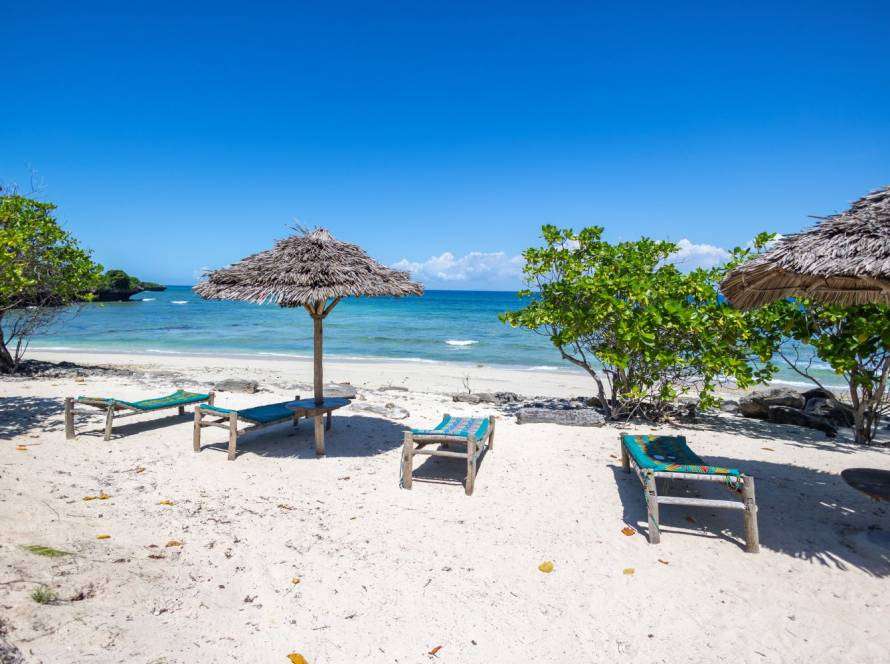
On Saturday, 23 August, two of East Africa’s rarest antelopes – a breeding pair of Aders’ duiker (Cephalophus adersi) – were successfully translocated from Mnemba Island to Chumbe Island.
The Aders’ duiker is a small antelope species endemic to Zanzibar and coastal Kenya. Known for inhabiting coral rag forests, it is considered one of the rarest antelopes in the world. Its populations face threats from habitat loss and hunting, making conservation interventions critical for its survival. The translocation was carried out in partnership with the Department of Forestry Zanzibar, building on ongoing efforts to protect this rare species, which was listed as Critically Endangered on the IUCN Red List of Threatened Species until recent years when conservation efforts have started to increase its numbers.
With its fully protected coral rag forest reserve, the island is an ideal habitat for these rare antelopes, offering food and shelter. Chumbe Island first provided refuge for the species when six individuals were translocated in 1999 and 2000. Unlike this earlier translocated population who were released into the dense forest and remain elusive to study, these newly arrived duikers will live in a large fenced natural habitat sanctuary within the reserve to enable further studies and research.
“There is still so much that we don’t know about this shy and elusive species. Through the use of camera traps, long-term monitoring and citizen science projects, we hope to learn all we can to help them survive long into the future. As our largest herbivore on the island they will also play an important ecological role. By feeding and moving around they will create a mosaic of habitats that benefit many other species.”
Jack Coupland (CHICOP Conservation Manager)
The research will generate a comprehensive understanding of Aders’ duiker ecology in an island sanctuary context, guiding adaptive management and identifying opportunities to bolster population resilience. Findings will also inform broader Zanzibar conservation strategies, and safeguard genetic diversity for long-term species conservation.