Conservation
Experience East Africa’s First Global Ocean Refuge
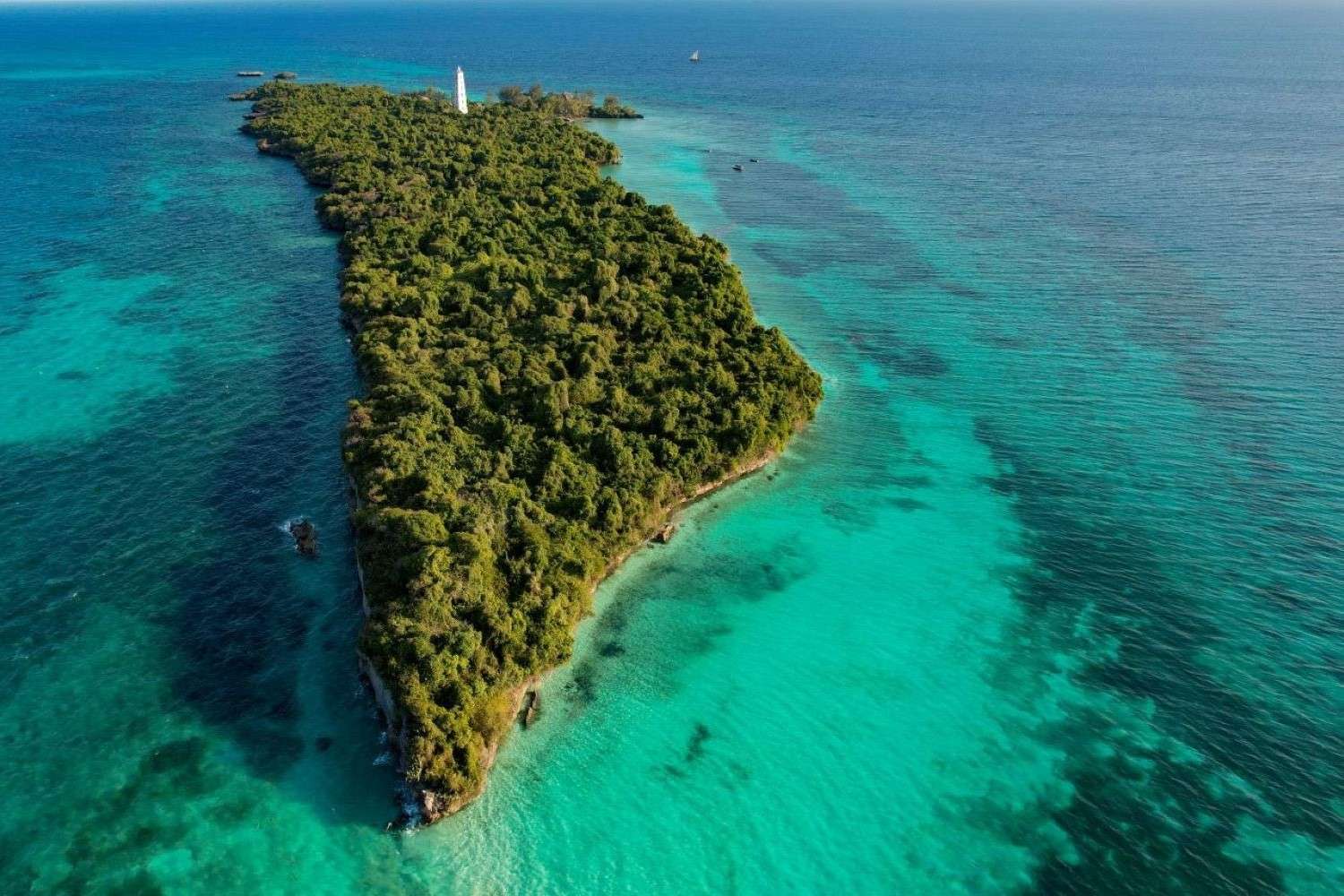
Chumbe Island is an IUCN registered National Park (cat.II) protecting the natural and cultural heritage of Zanzibar. It is the first Marine Protected Area (MPA) in the region to acquire ‘Blue Park’ status, and has been ranked as the ‘most effectively managed MPA in the world’ (UCL,2018). It has received United Nations Global 500 status for ‘Outstanding Environmental Achievement’.
As the world’s first privately managed MPA, and first financially self-sustaining MPA, Chumbe is managed by a not-for-profit organization, where visitors payments directly supports the Island’s conservation work and education programmes.


The reserve includes a Coral Reef Sanctuary and a Forest Reserve.
Coral Reef Sanctuary
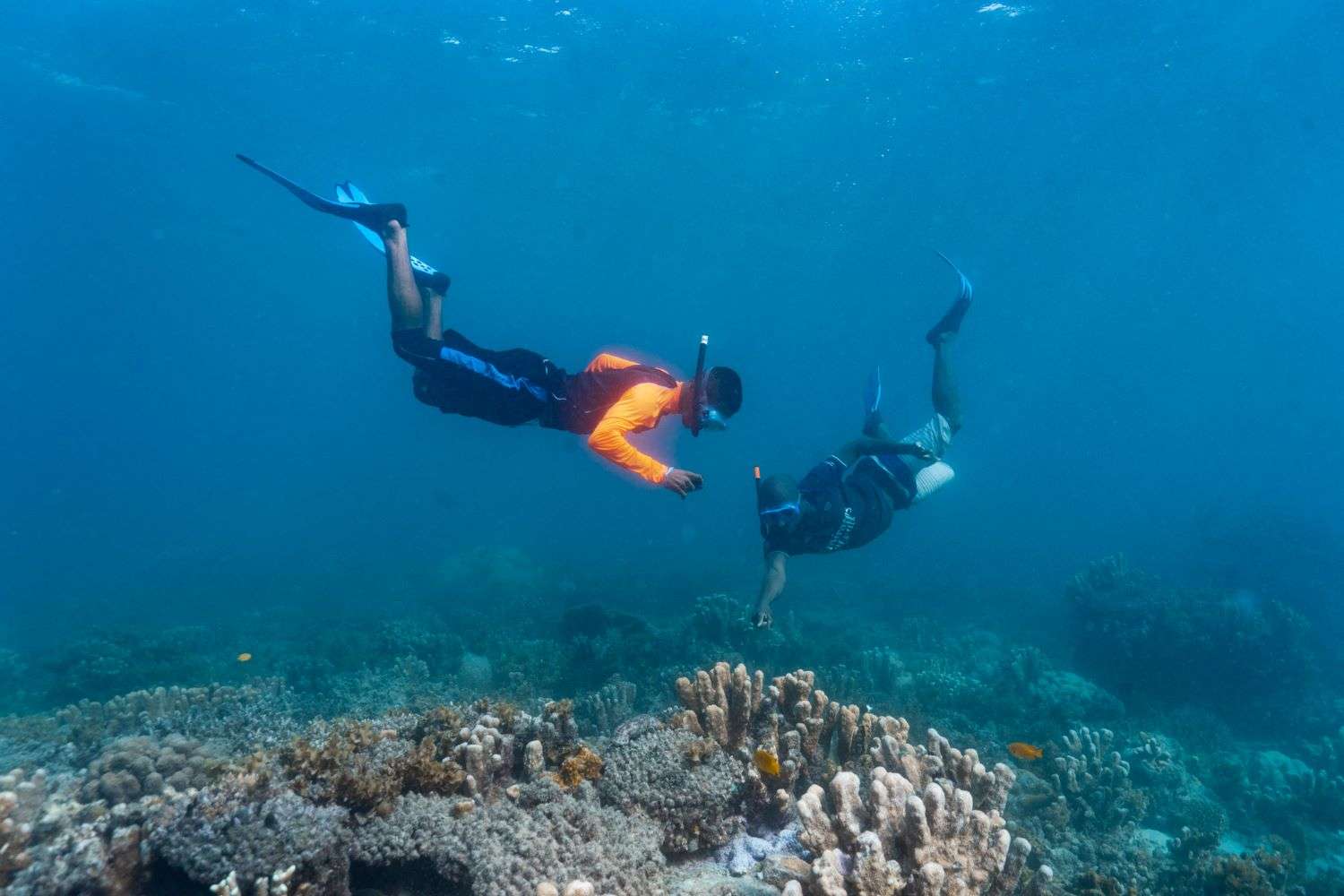
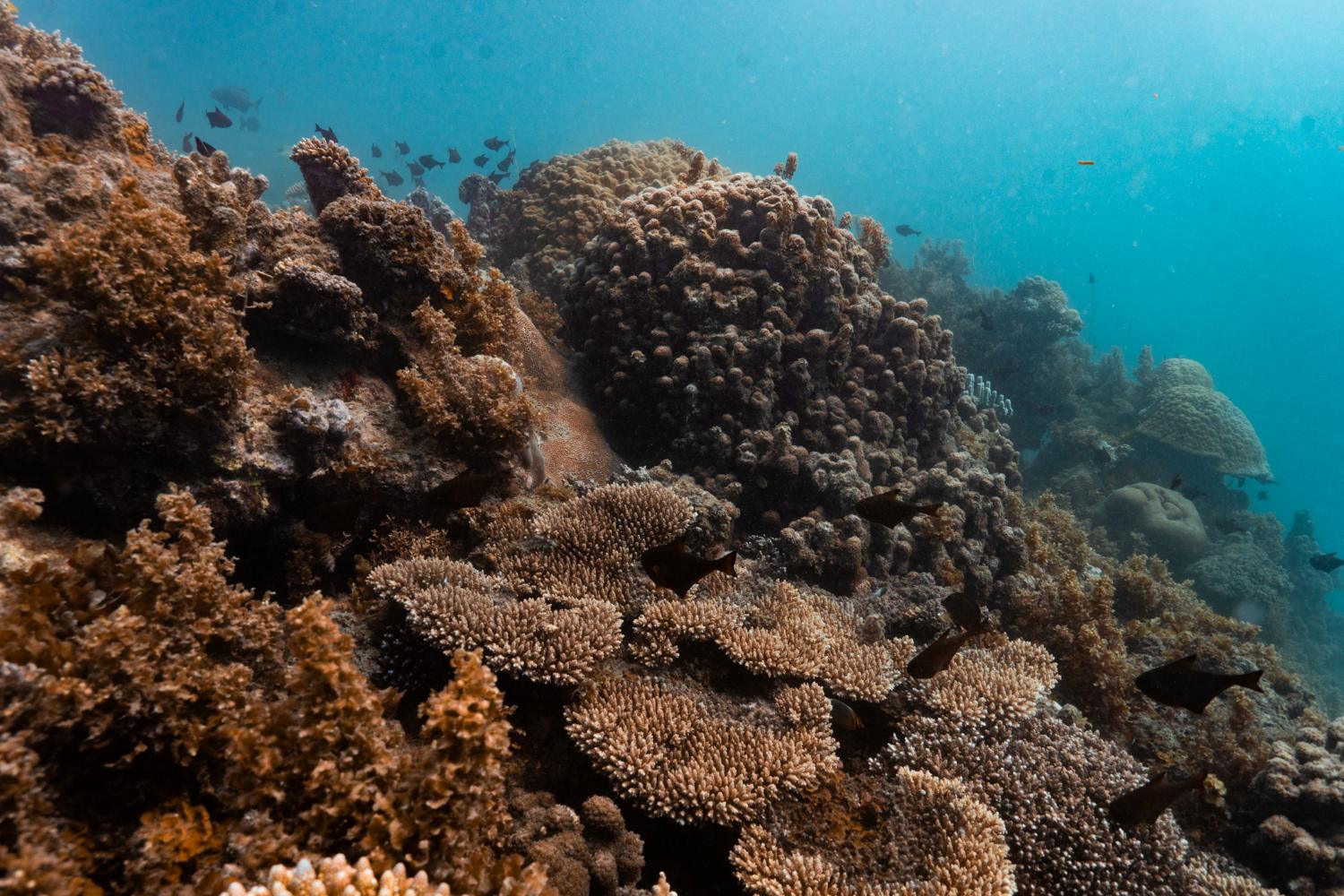
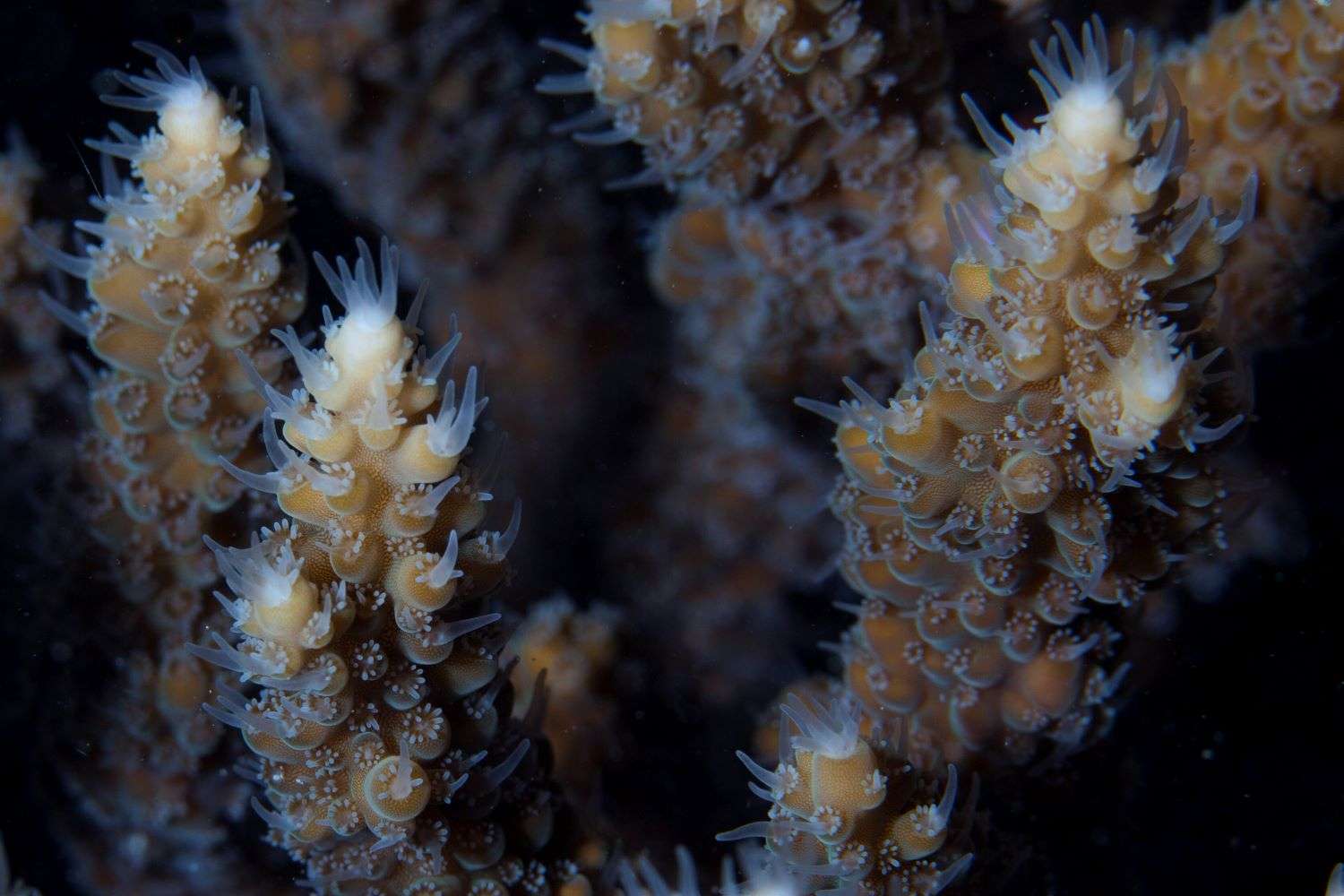
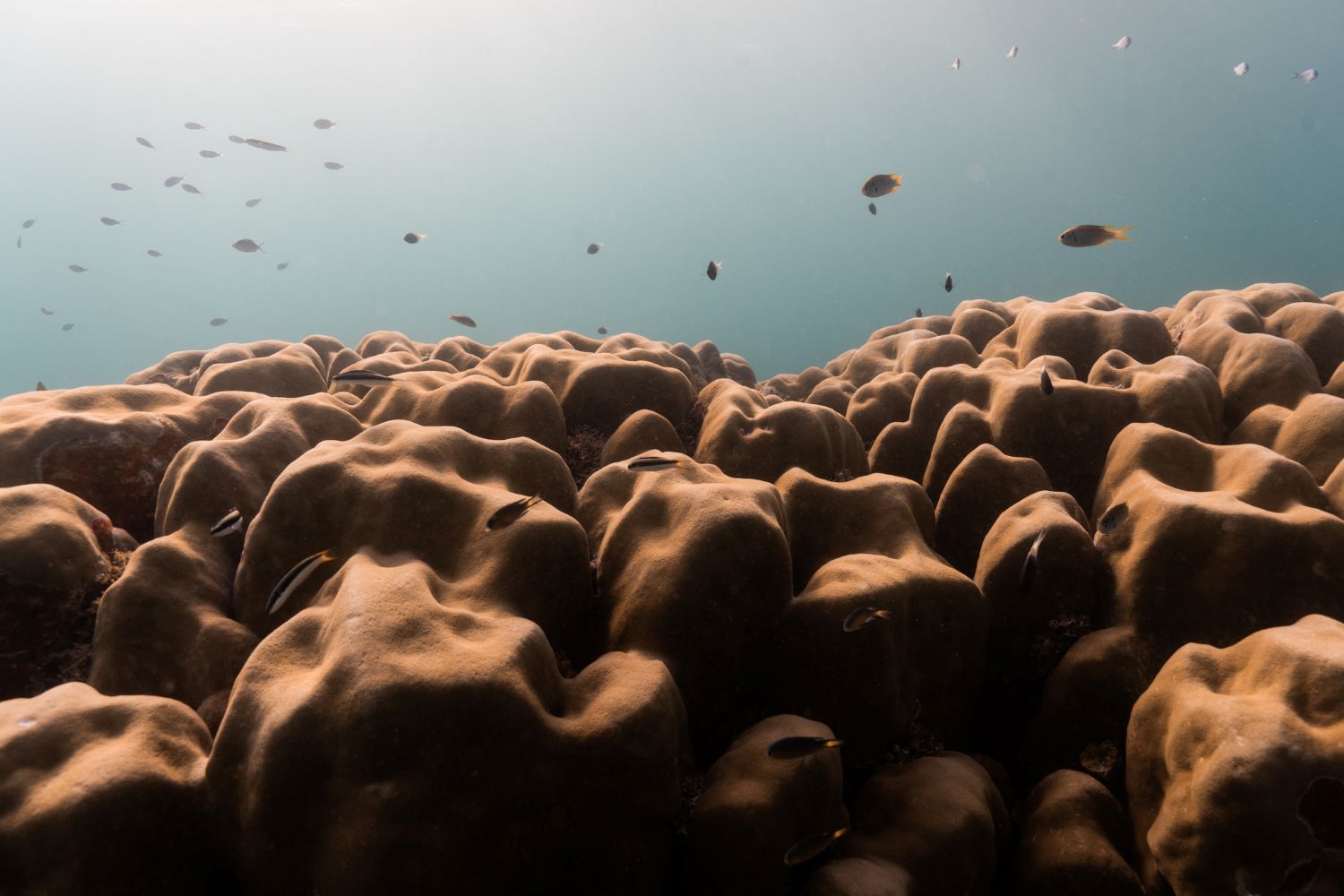
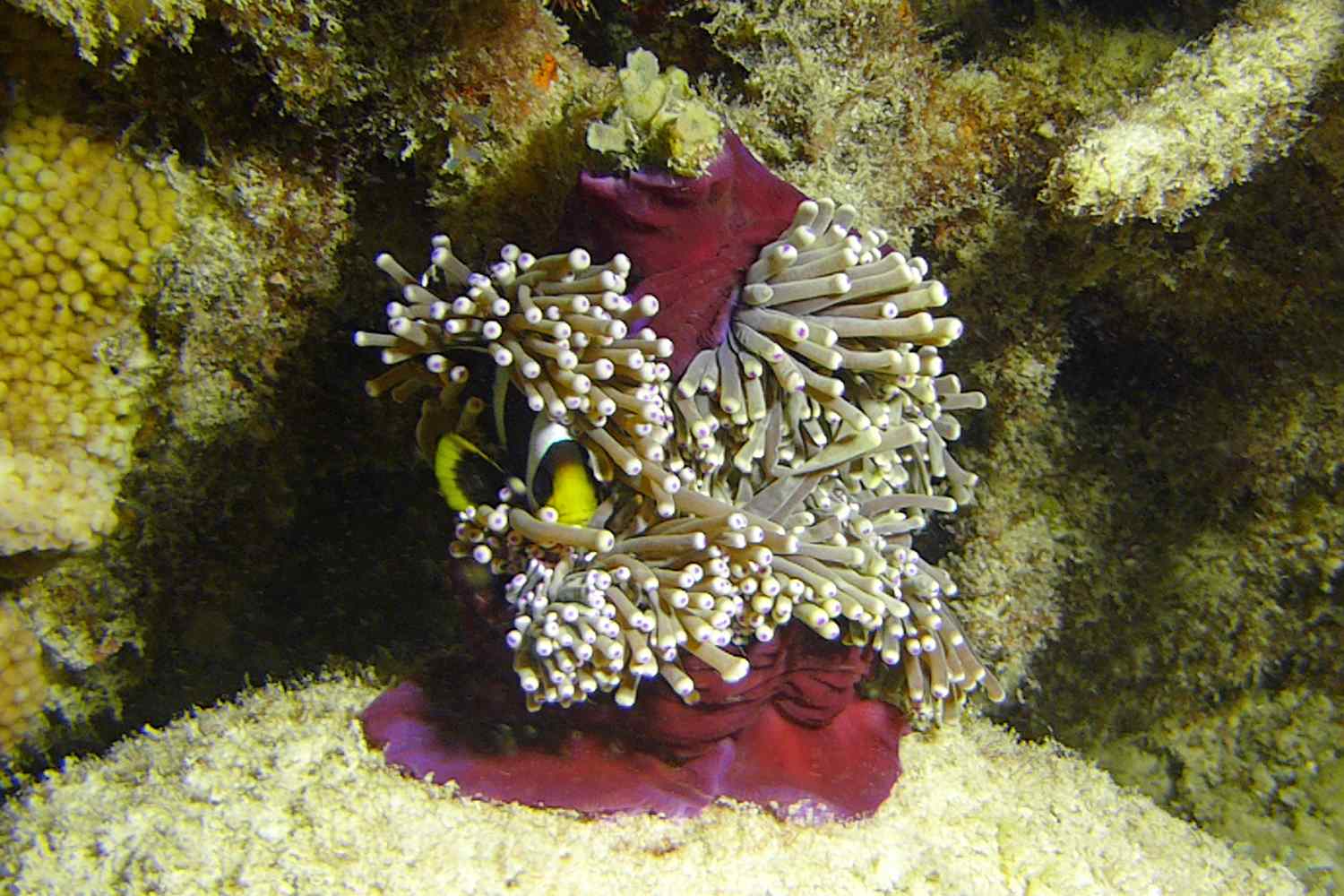
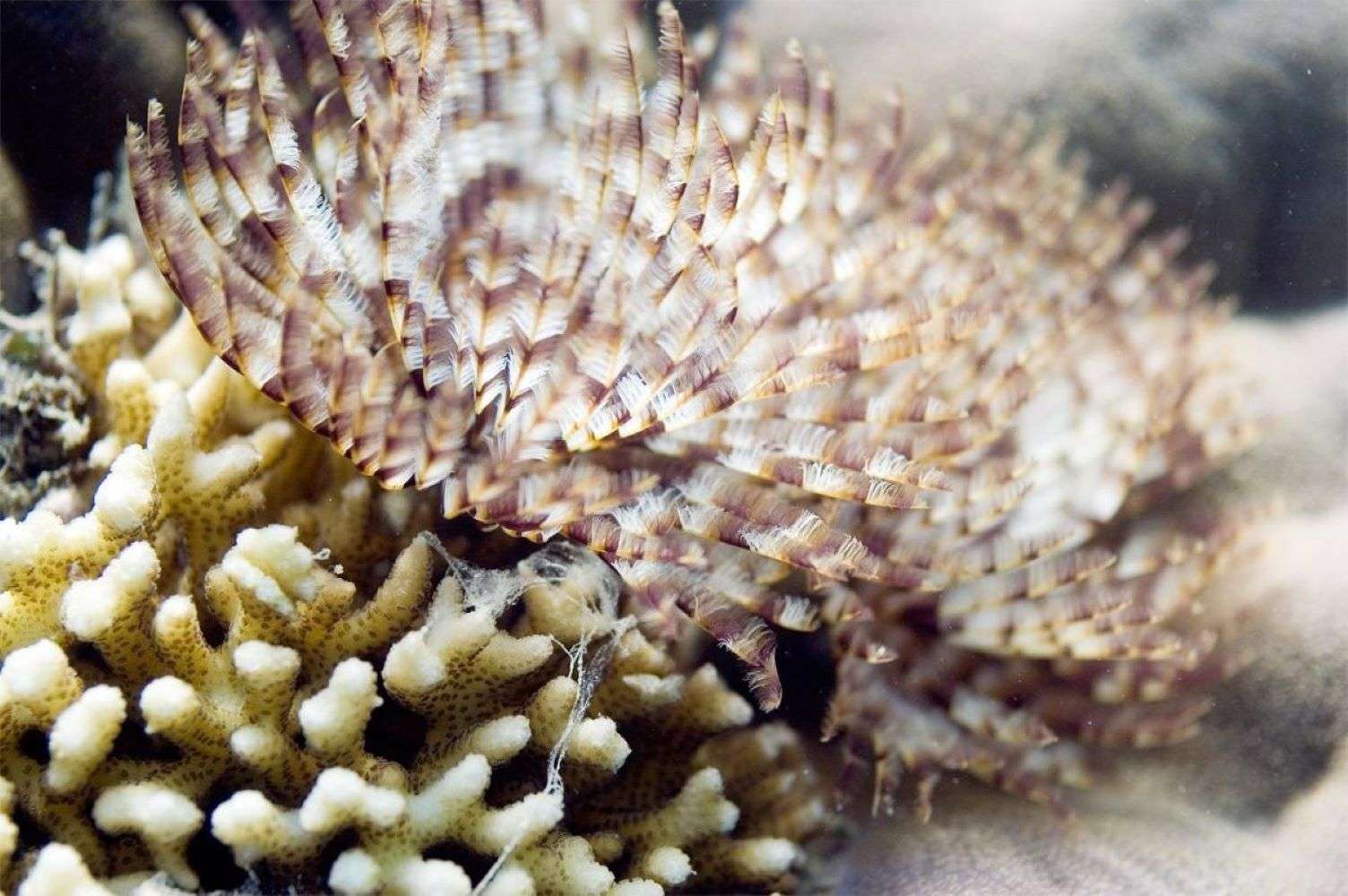
The Chumbe reef is exceptionally biodiverse following more than 30 years of effective management and protection. It is today regarded as the healthiest and most productive coral reef ecosystem in Zanzibar. The reef crest is shallow and encompasses a spectacular array of hard corals (59 Genera) allowing snorkelers to see an underwater world that is usually only accessible to divers.
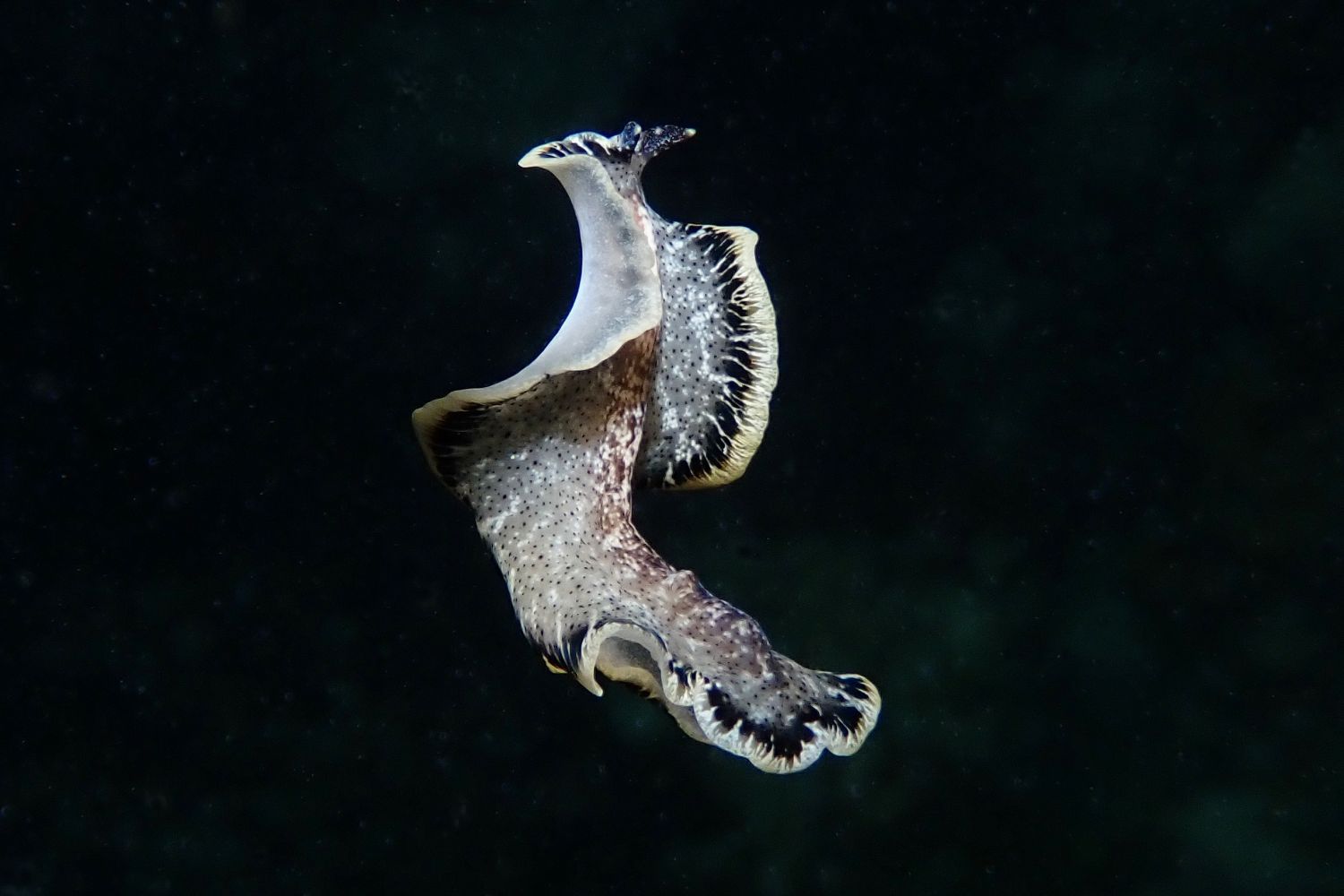
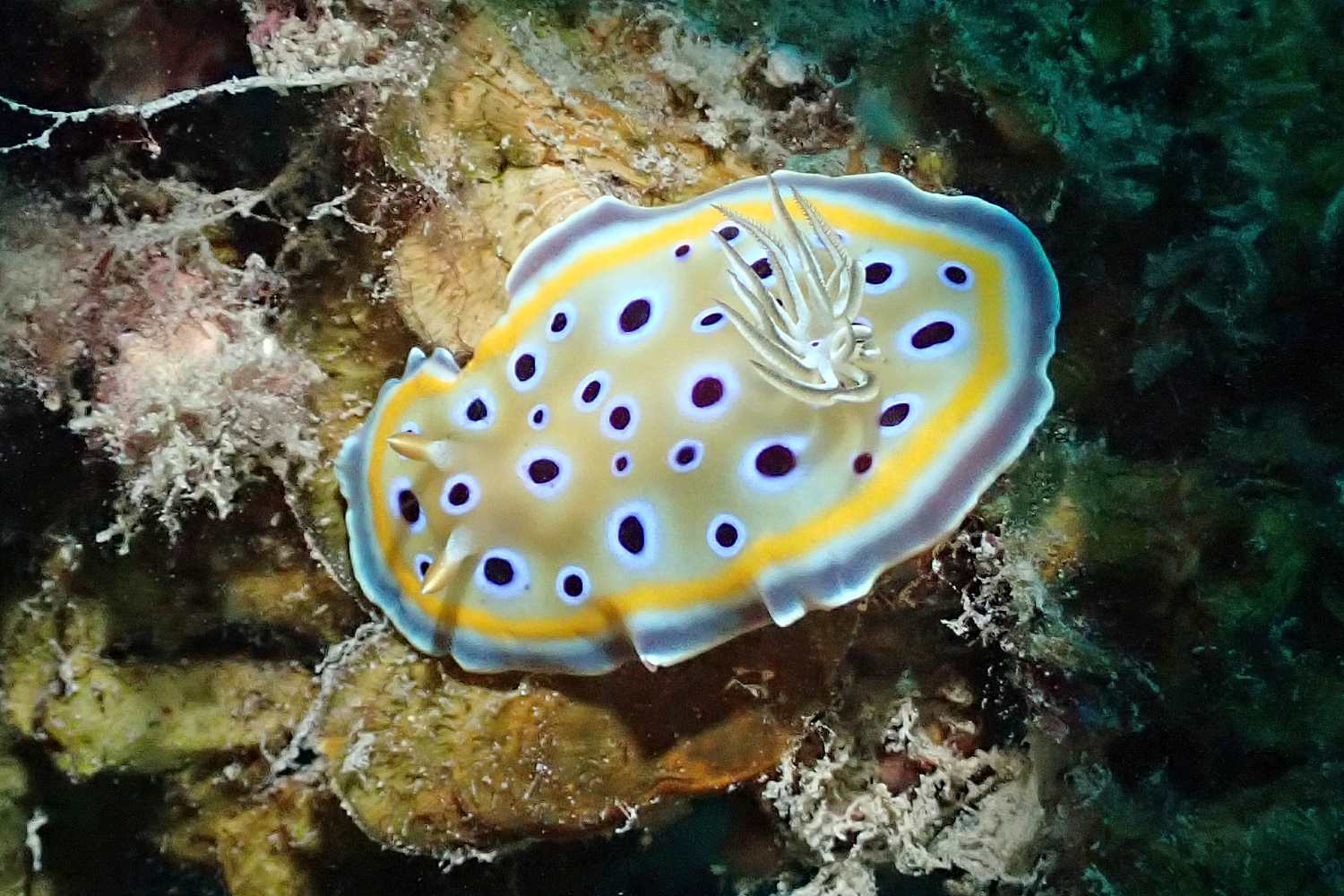
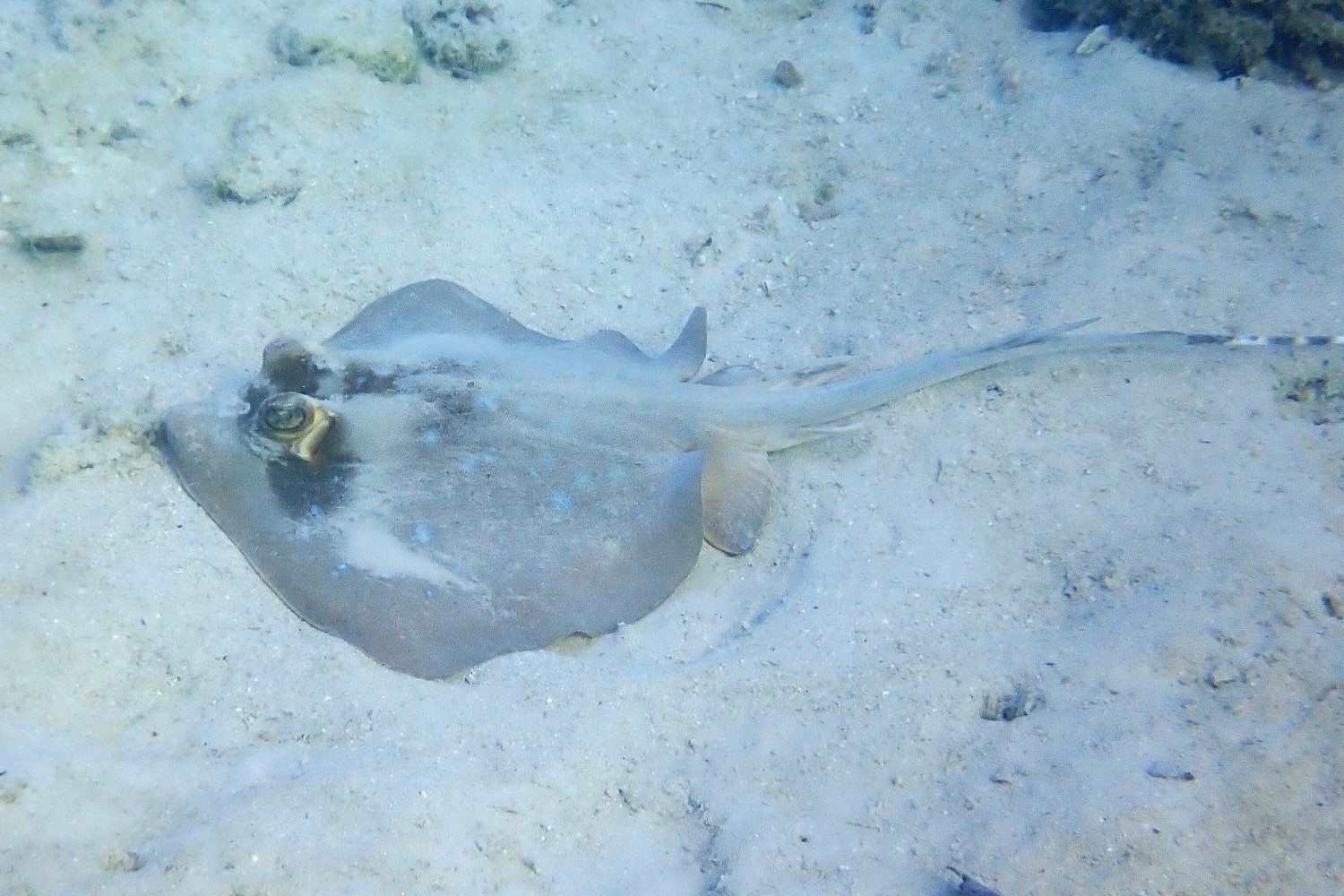
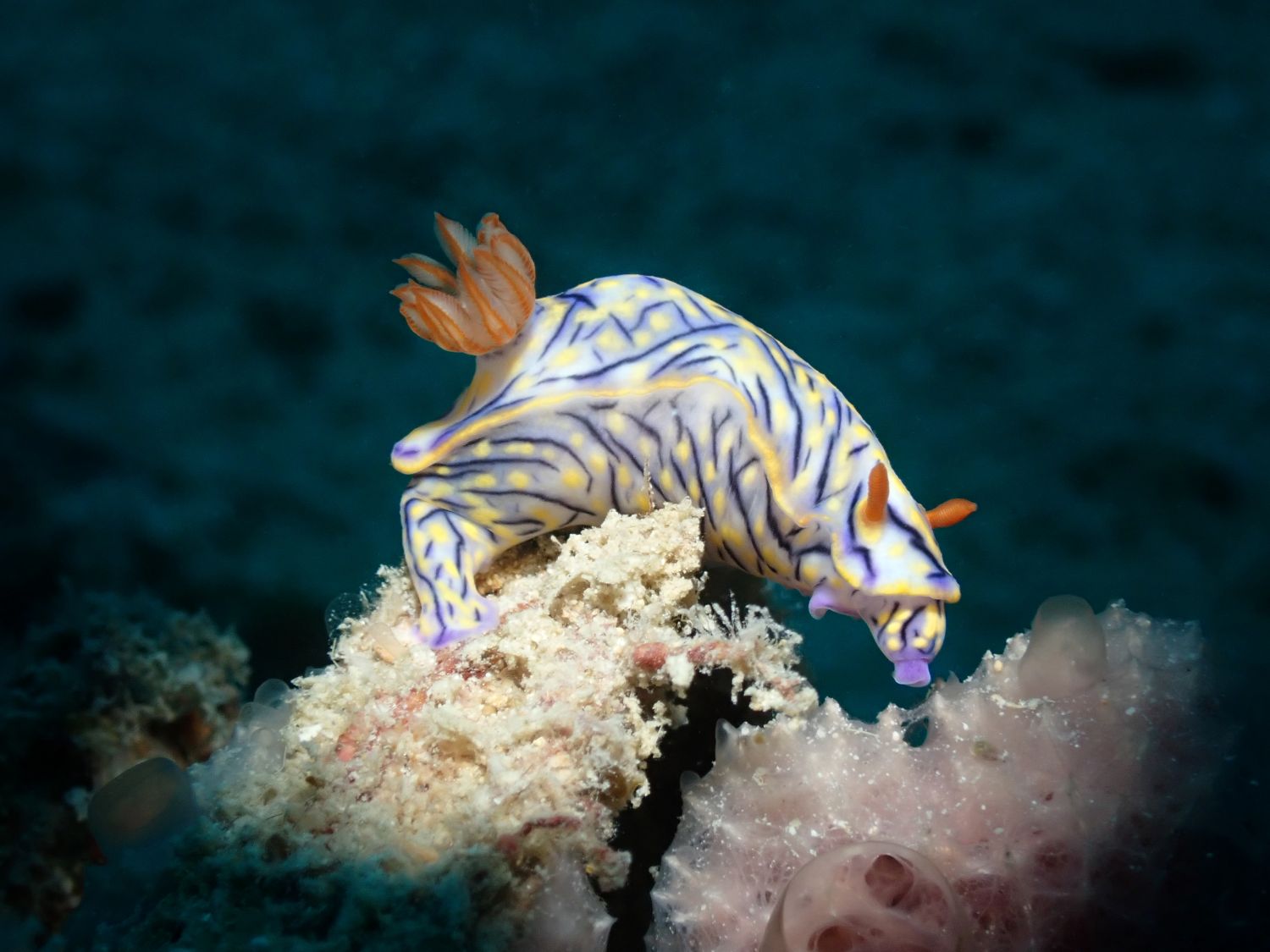
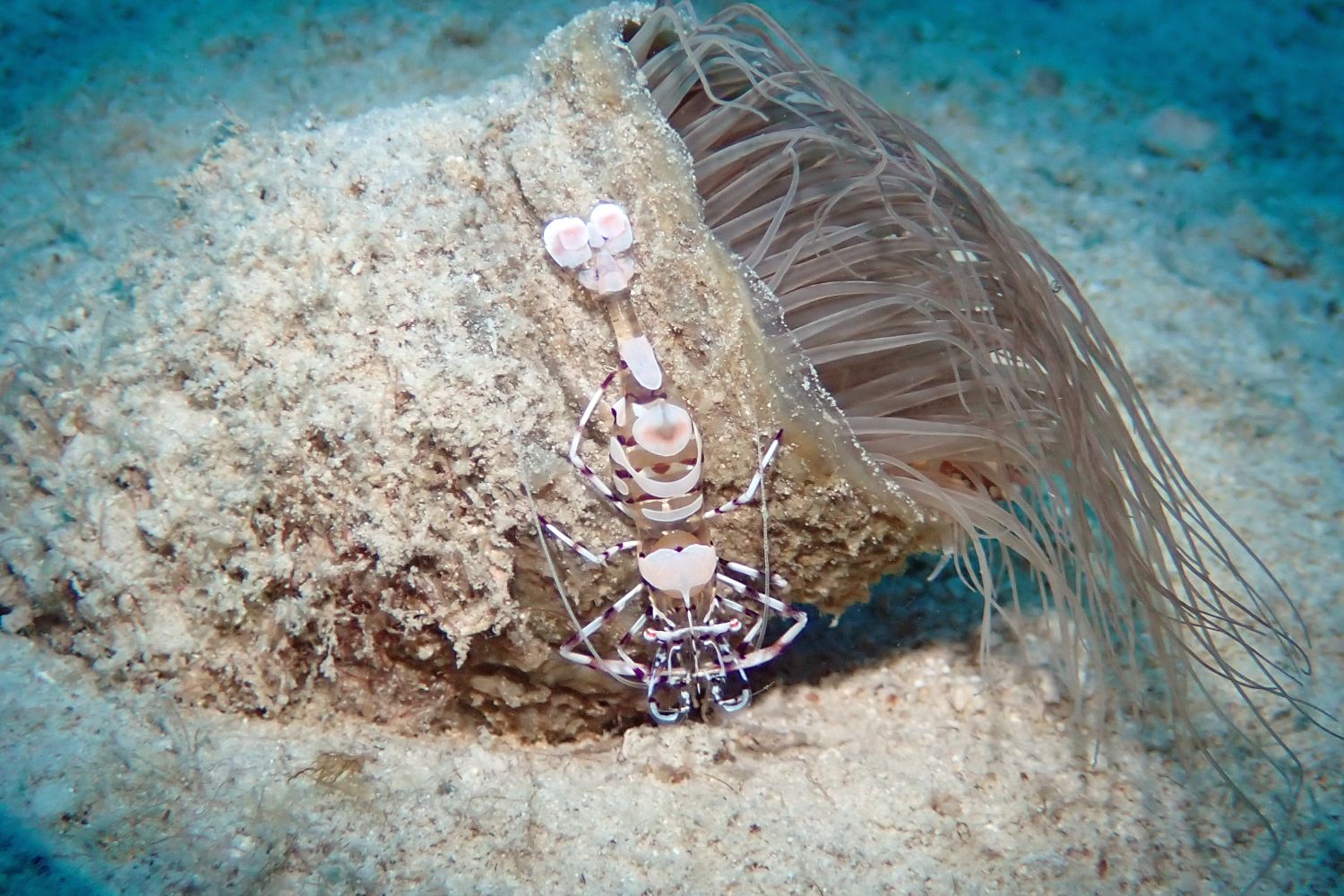
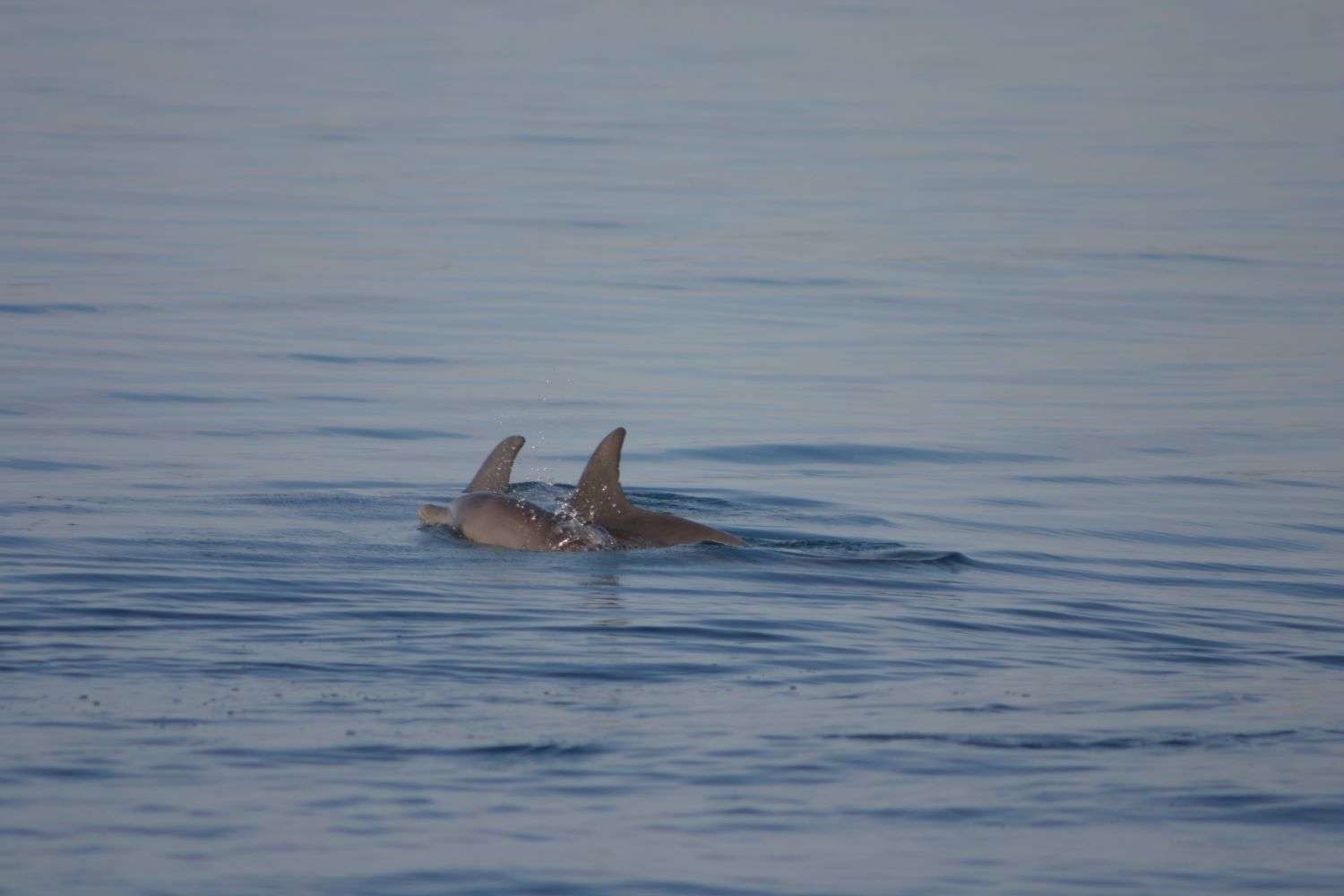
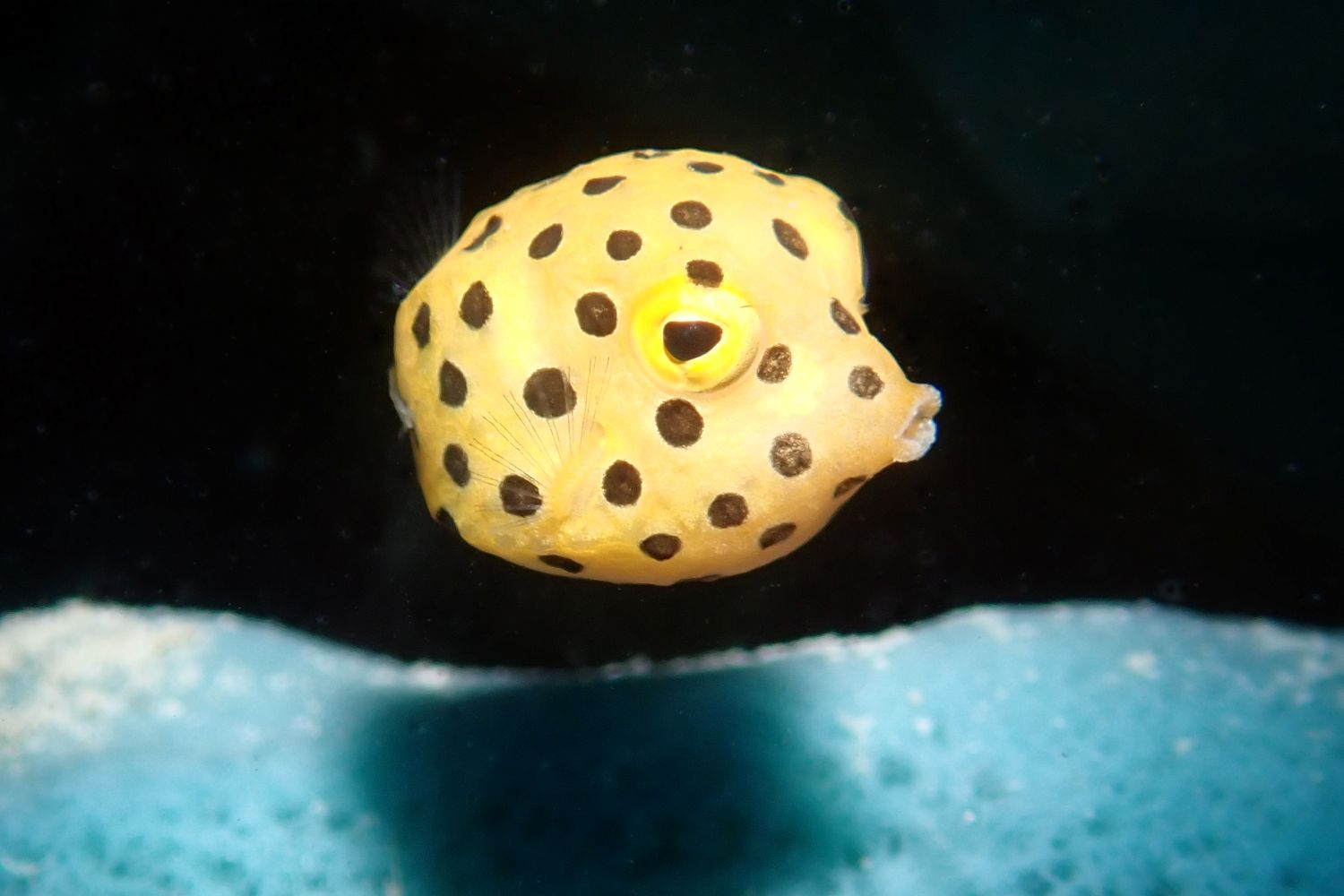
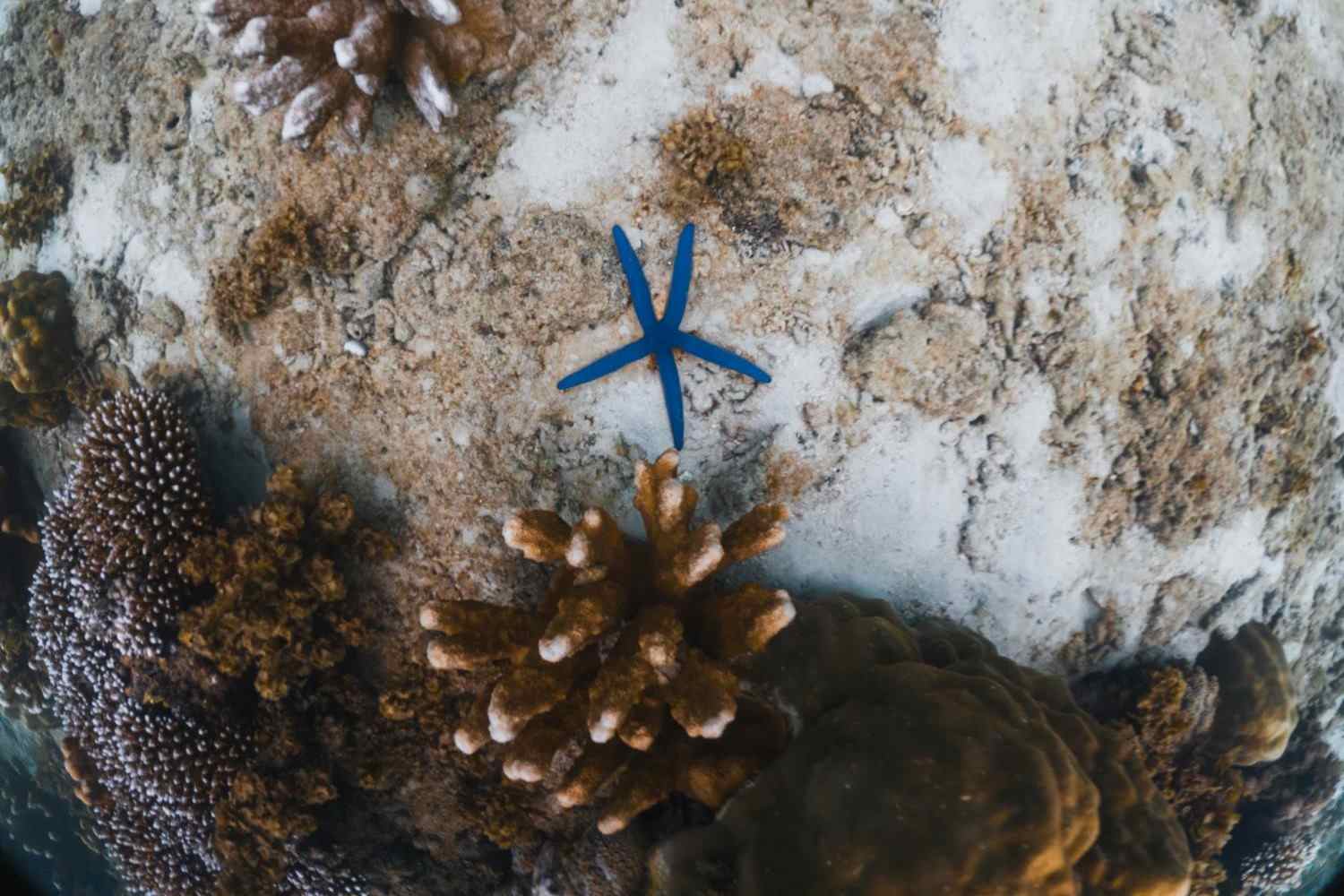
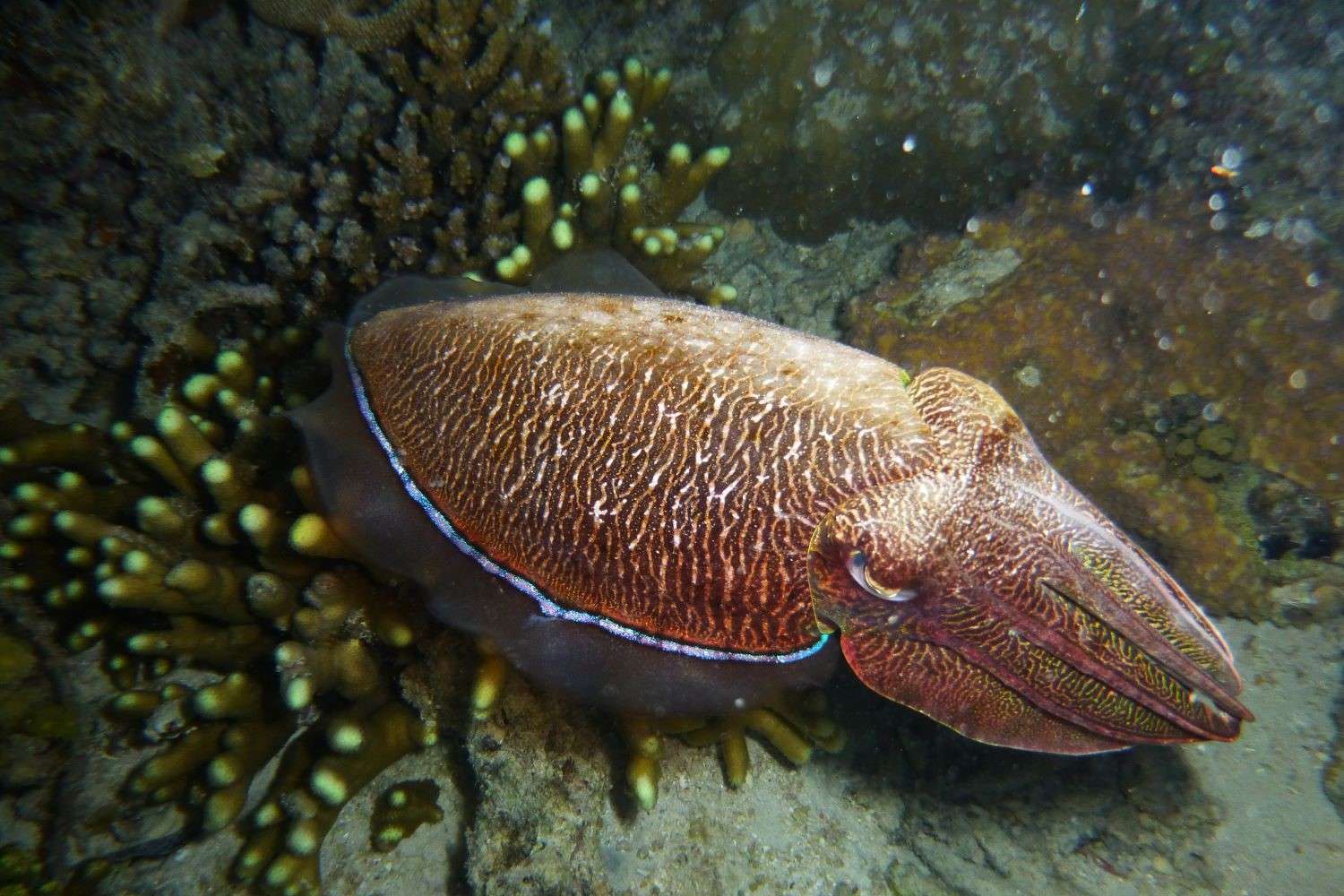
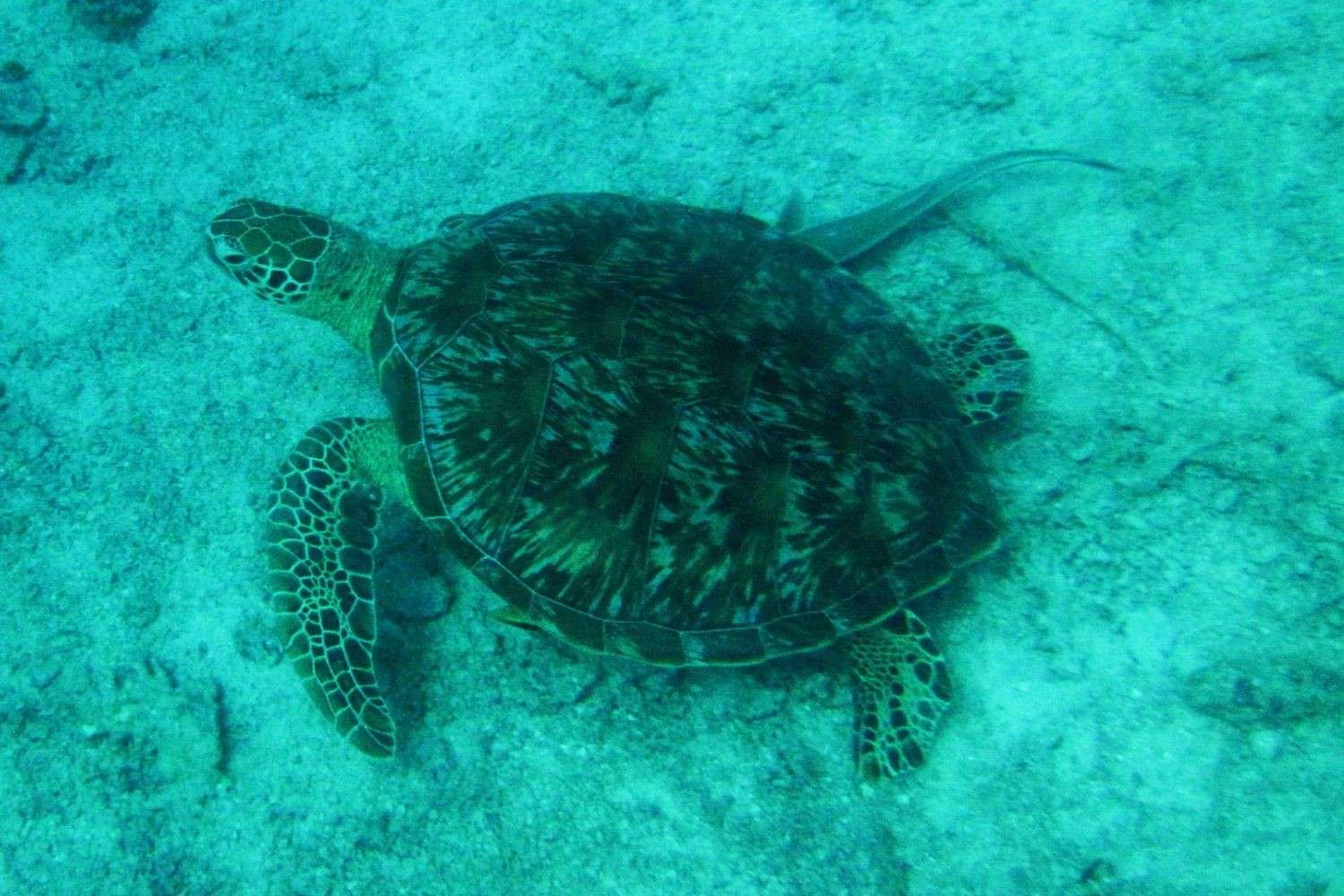
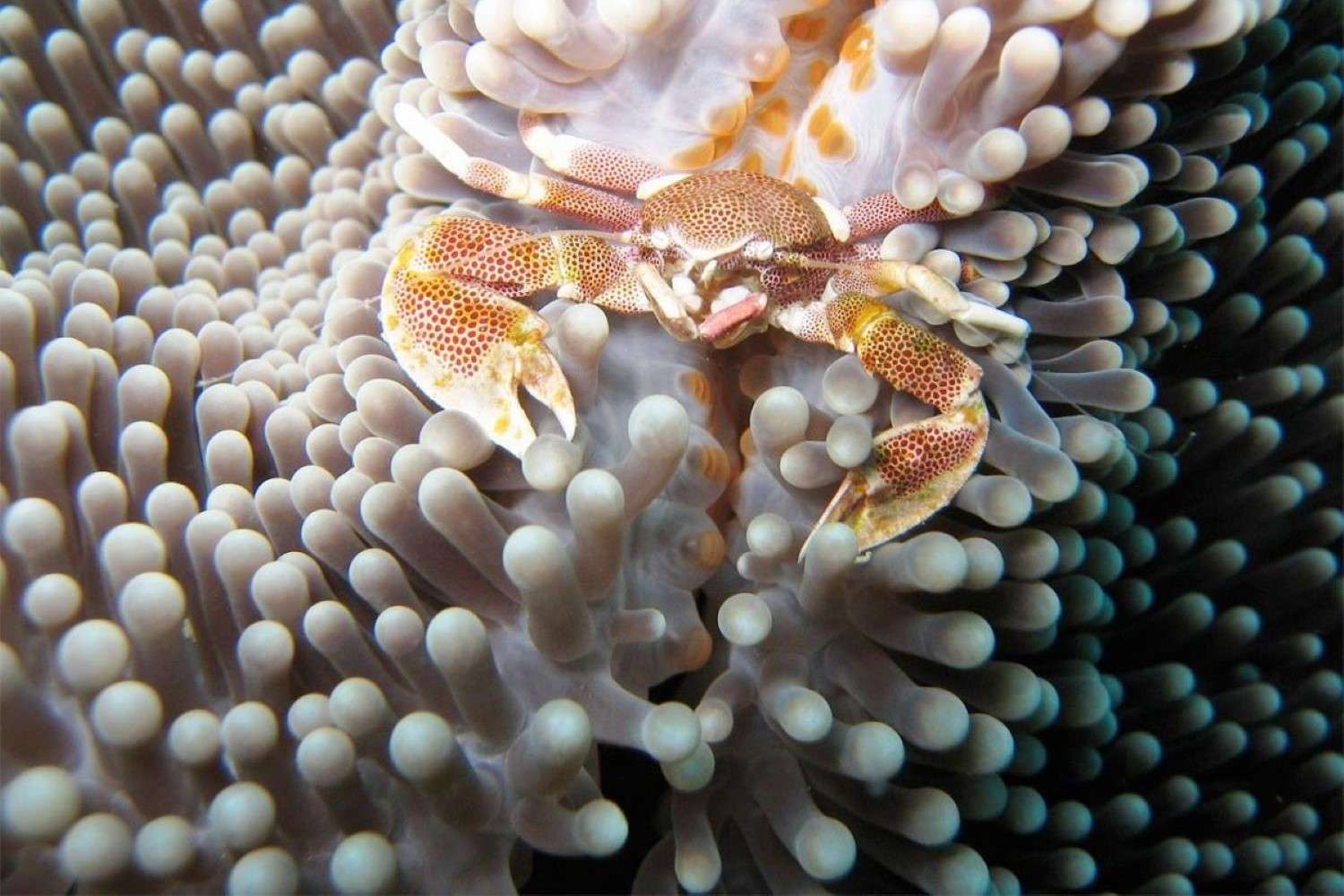
Since establishment of the MPA in the 1990s’, fish biomass has spectacularly increased* and today > 530 reef fish species have been recorded within the MPA. The extraordinary habitat of centuries old corals supports exceptional microfauna (critters), including > 40 species of echinoderms, 34 different species of sea cucumbers, 113 mollusk and 75 crustacean species. At the other end of the scale, the site is host to megafauna and apex predators, including a considerable shark population (black tips, white tips, and nurse sharks). The site also provides feeding grounds for three species of dolphins and two species of turtles (including the critically endangered Hawksbill turtle, Eretmochelys imbricata).
* Fish biomass has increased from < 200 kg/ha in the late 1990s to > 2,300 kg/ha by 2025.

Located upstream of the most important fishing grounds near Zanzibar’s capital, Stone Town, the Chumbe sanctuary also provides a vital fisheries replenishment zone, with commercially important species breeding within the park and replenishing neighboring stocks through the ‘spillover effect’. Likewise coral larvae from the MPA recolonize nearby degraded reef areas, making the Chumbe Sanctuary of critical importance to the preservation of biodiversity beyond the protected area and for sustaining fisheries livelihoods and the local coastal economy in Zanzibar.
Chumbe’s Coral Reef Sanctuary is accredited to the highest international science-based standards for biodiversity protection and best practices for management. The sanctuary provides a vital resource for coral and marine scientists and students nationally and globally. An annual ‘research plan’ is provided for priority studies (with limited placements available) and data from monitoring is made publicly available through the Conservation and Education Status Reports (for more information contact: [email protected]).








Forest Reserve
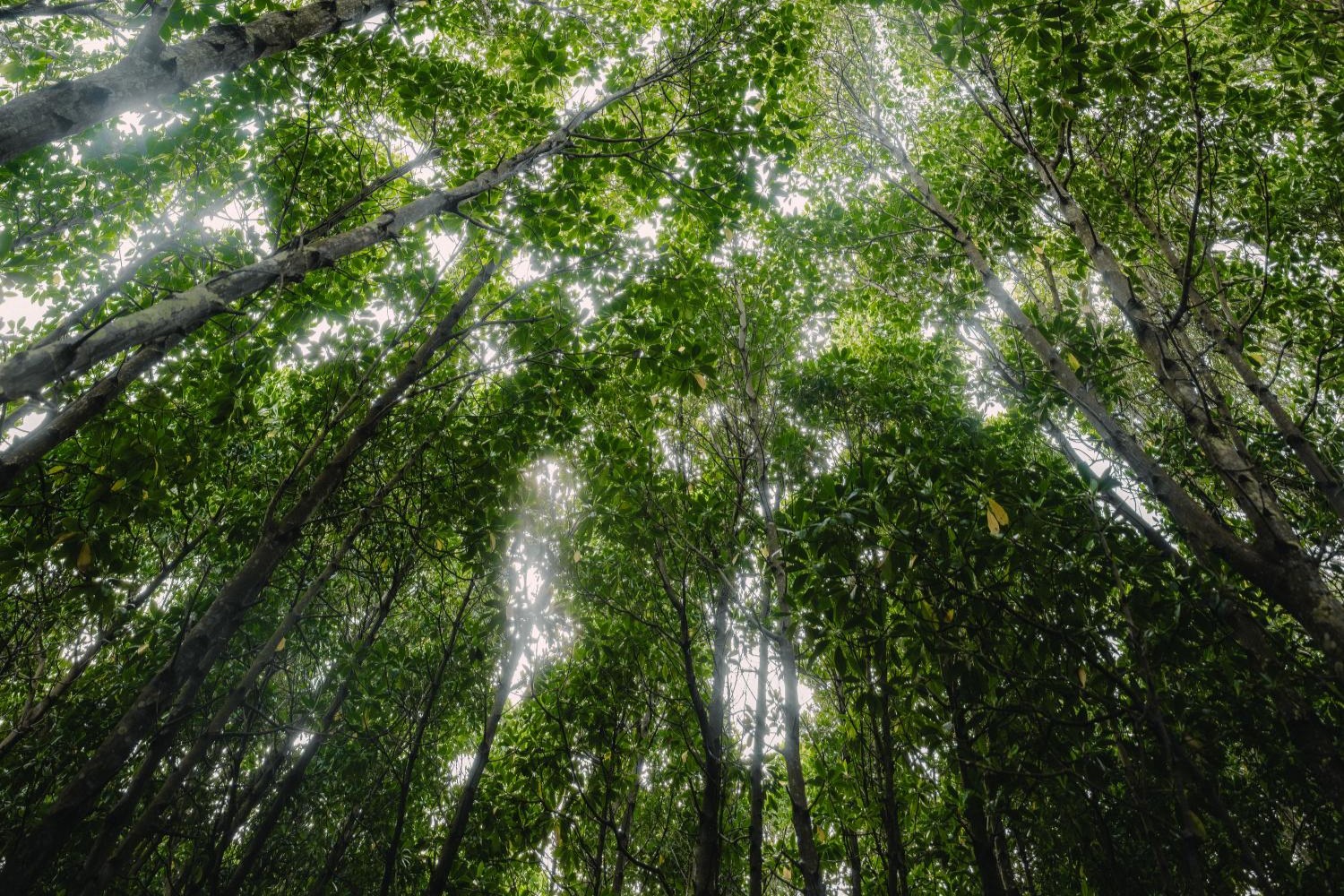
Chumbe’s Forest Reserve hosts 180 species of plants, 82% of which are considered indigenous – making Chumbe Island an area of vital biodiversity value within the East African coastal forests, and a global biodiversity hotspot. The highly specialised plant community has developed to survive without any groundwater, as the island’s bedrock is made up of an impressive substrate of fossilised coral that cannot store rainwater. The density of this ‘coral rag’ forest is spectacular, as adventitious roots thrust out in all directions and epiphytic species cling to life by wrapping themselves around all available surfaces.

Not surprisingly, the forest is a refuge for an abundance of bird species (>80), crustaceans, non-poisonous snakes and lizards. Fauna also includes rare and endangered species such as the Ader’s duiker (a mini-antelope) and a large population of coconut crabs, the largest living arthropod in the world.
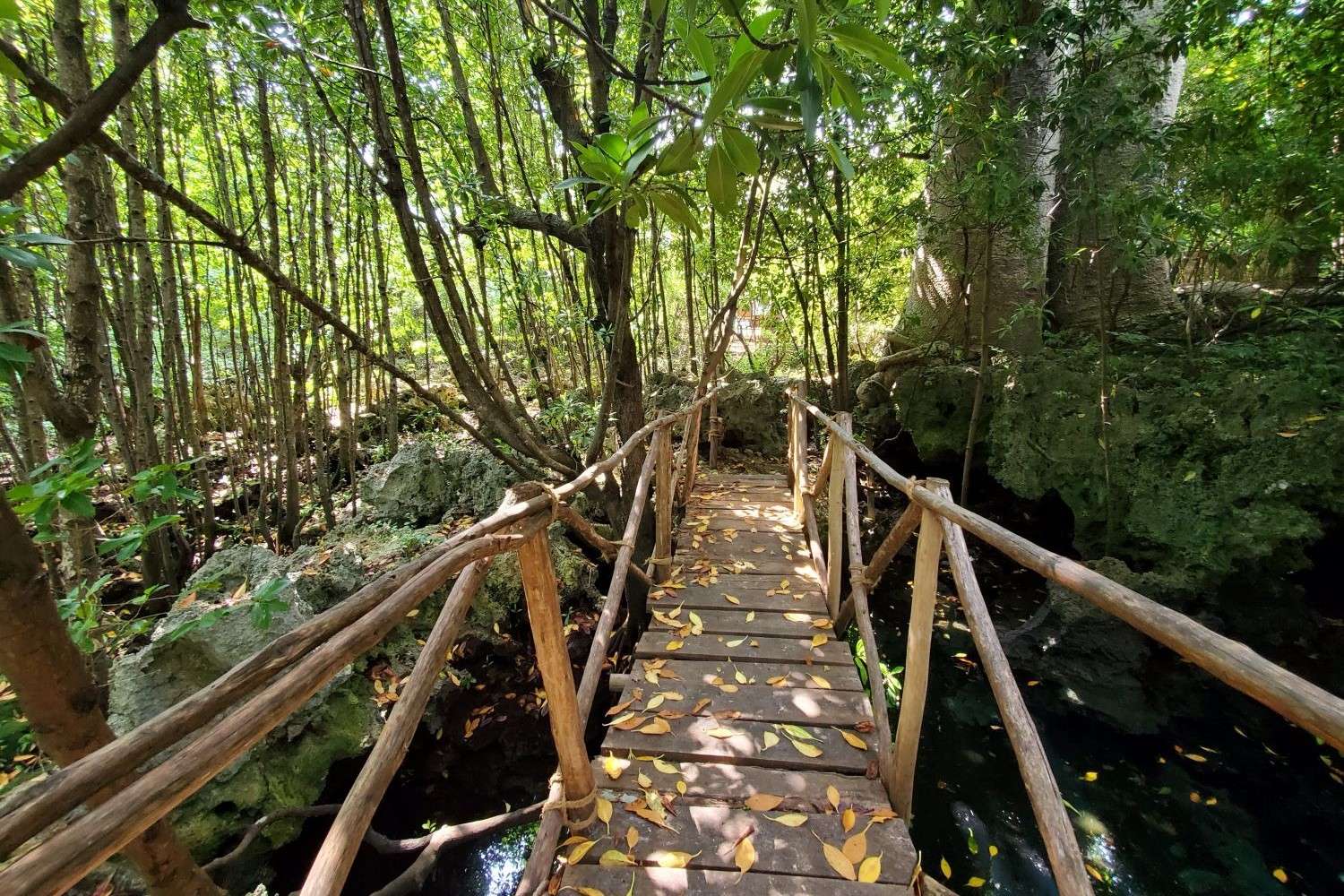
The tightly knit forest is difficult to traverse (access paths for visitors are provided in the south of the island). Researchers generally take up to two hours to cover a 1 km stretch through the central Forest Reserve, and the crags and caves hidden underfoot make studying this environment both challenging and consistently rewarding as discoveries are constantly uncovered.
For our guests, a forest walk is provided, allowing insights into this otherwise virtually impenetrable habitat.



Rare Wildlife
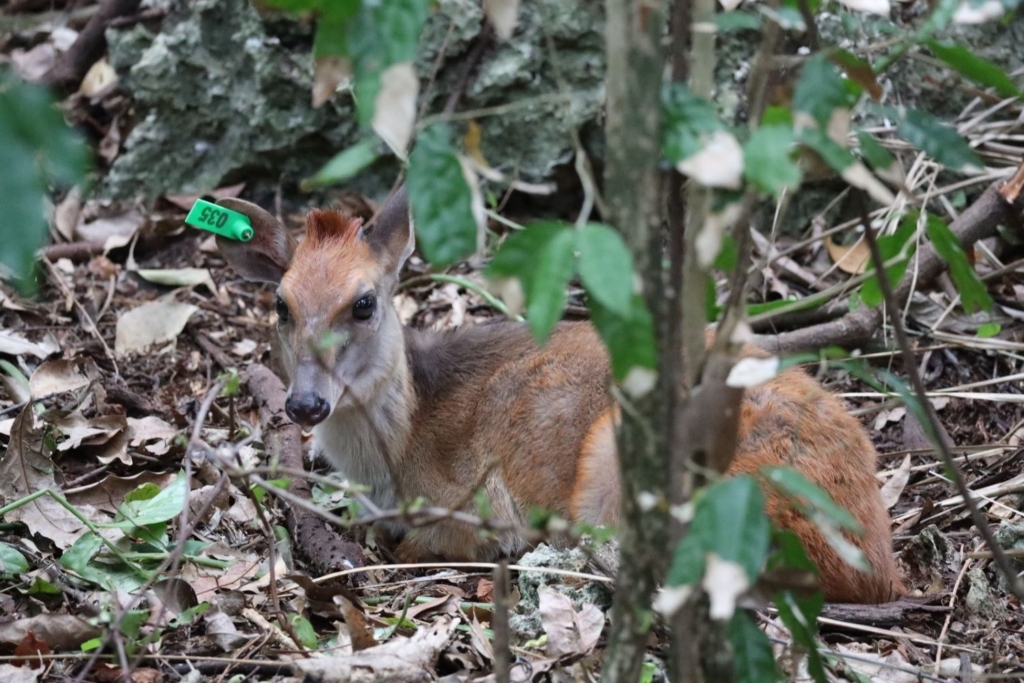
The critically endangered Aders’ duiker (Cephalophus adersi) is Africa’s smallest and most distinctive mini antelope, readily distinguished by the wide white band across the rump. As the most endangered species of antelope in Africa (classified under the IUCN Red List CE) Chumbe translocated a small population to the island in the early 2000s, bringing in more in 2025, to provide for a genetically diverse protected population in Chumbe’s Forest Reserve. Like other duikers, the body shape is adapted for easy movement through dense undergrowth, being small and stocky, with large hindquarters, an arched back, relatively short legs, and pointed hooves. Both sexes have short, pointed horns. Today camera traps through the forest monitor the population, and guests may be fortunate to get a glance of them during forest walks.
Coconut crabs (Birgus latro) are the largest land-living crabs in the world. They can grow up to 1 metre (3 ft 3 in) in length (leg to leg) and weigh more than 4 kg (9.0 lb). Almost lobster-like in appearance, these slow-moving crabs have considerable pincer strength, can climb coconut trees and crack open coconut shells. Unfortunately, coconut crabs are hunted for their meat and as fish bait, resulting in them becoming locally extinct in areas close to human settlements, such as Zanzibar. They are listed as ‘vulnerable’ by the IUCN Red List. As regional research into these crabs is limited, Chumbe Island is a crucial study base for international and domestic researchers.
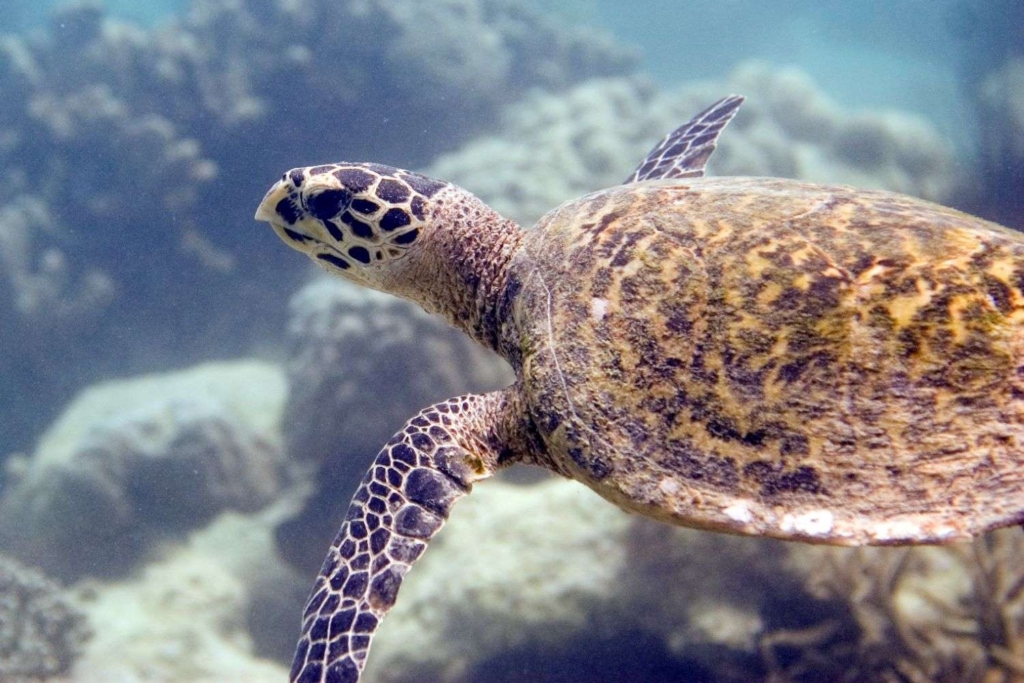
The seagrass beds of Chumbe provide important feeding grounds for Green turtles (Chelonia mydas) and Hawksbill turtles (Eretmochelys imbricata). Both species have sharp beaks, adapted for grazing in seagrass beds and scraping algae off hard surfaces. Green turtles are listed as ‘endangered’ in the IUCN Red List, while Hawksbill turtles are tragically ‘critically endangered’.

A Paradise for Birdwatchers
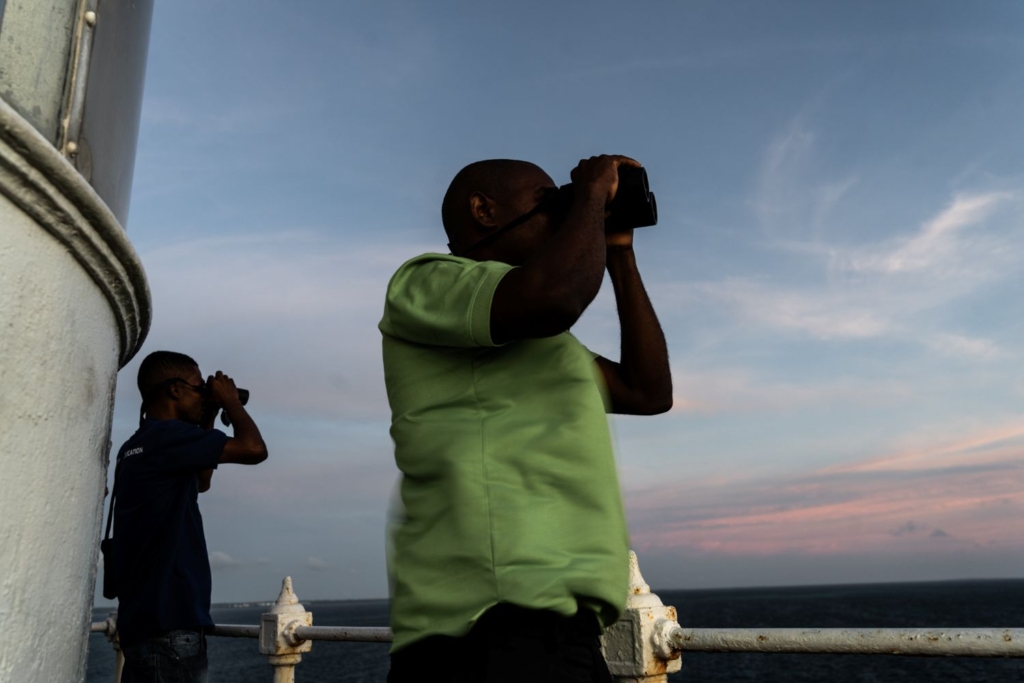
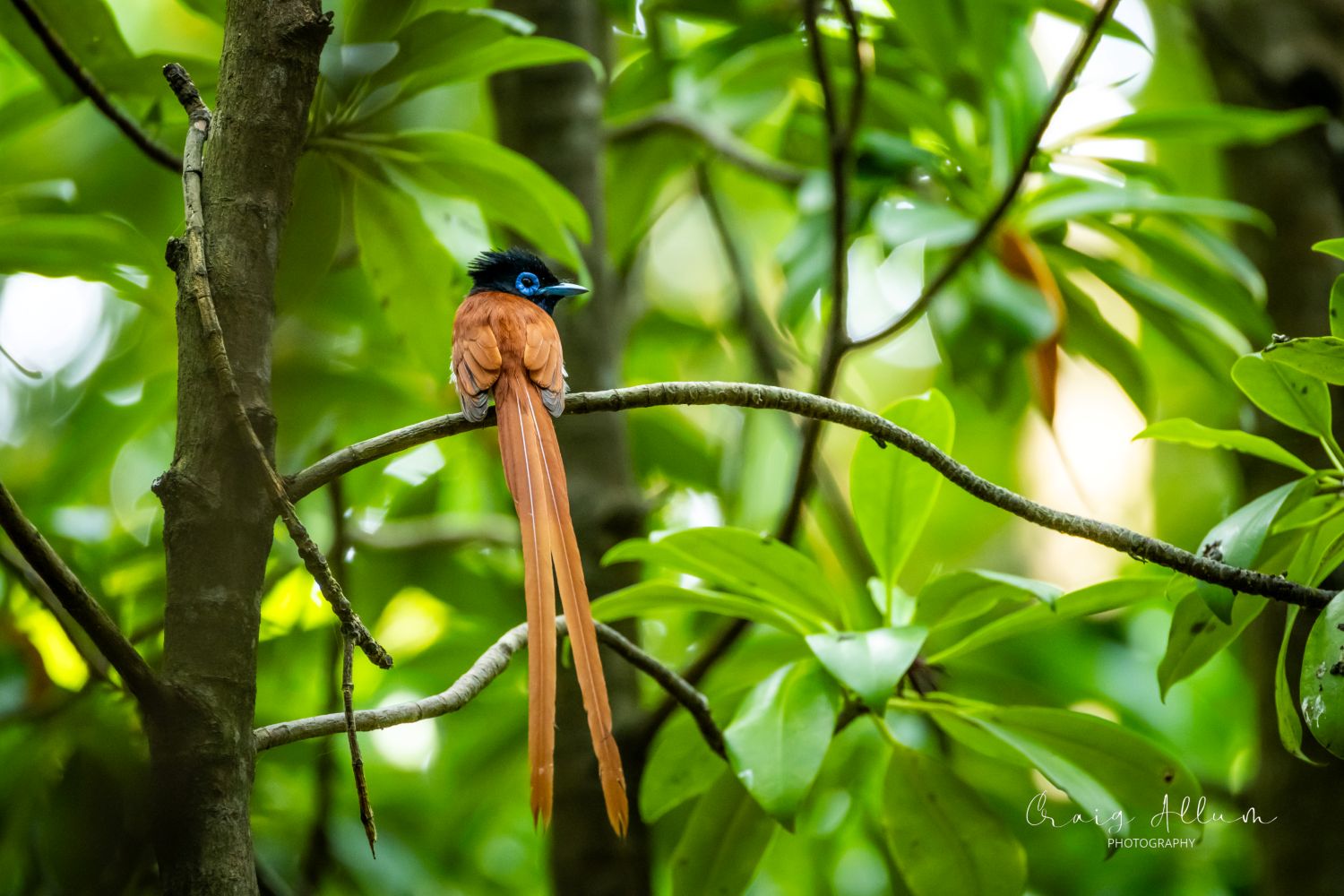
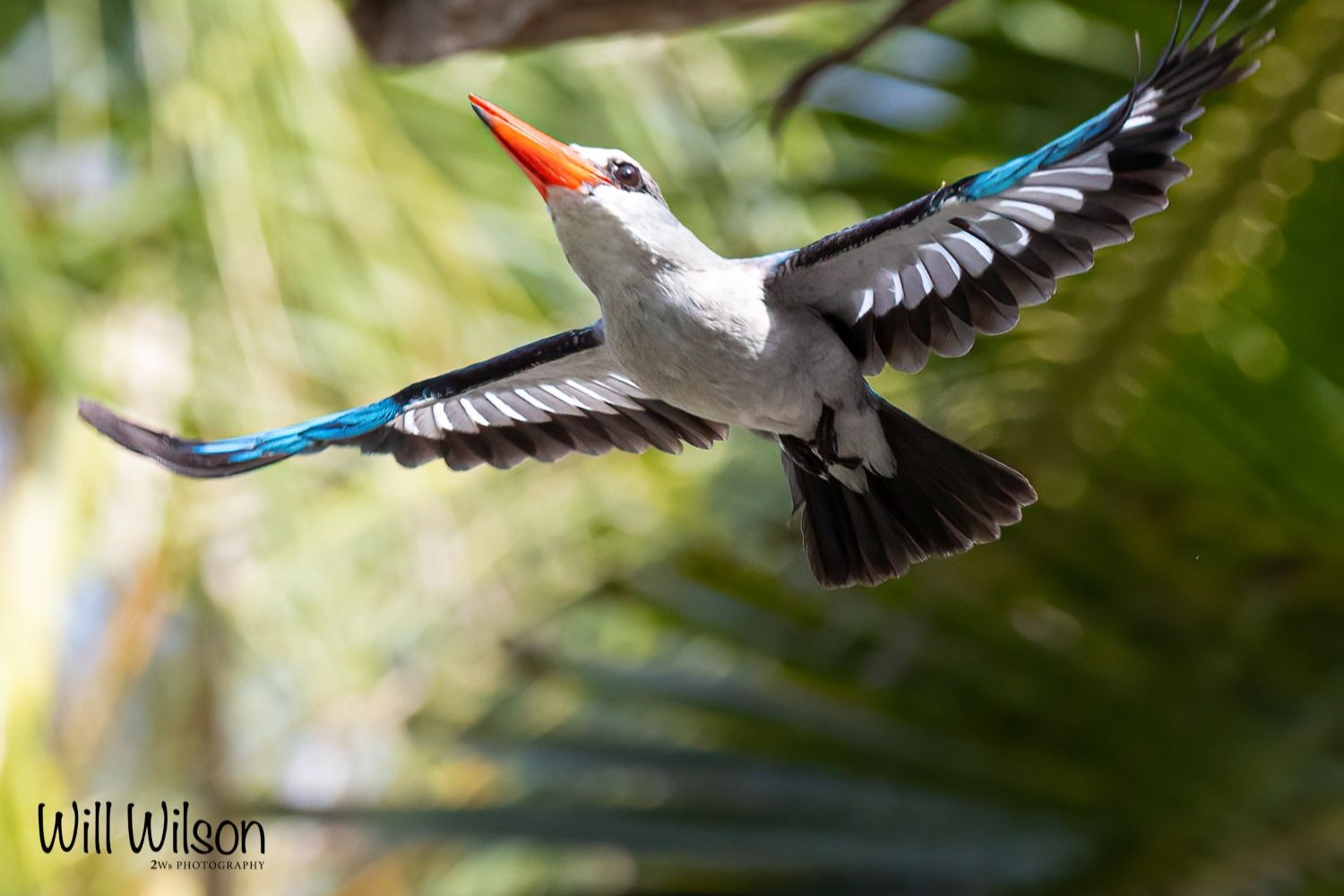
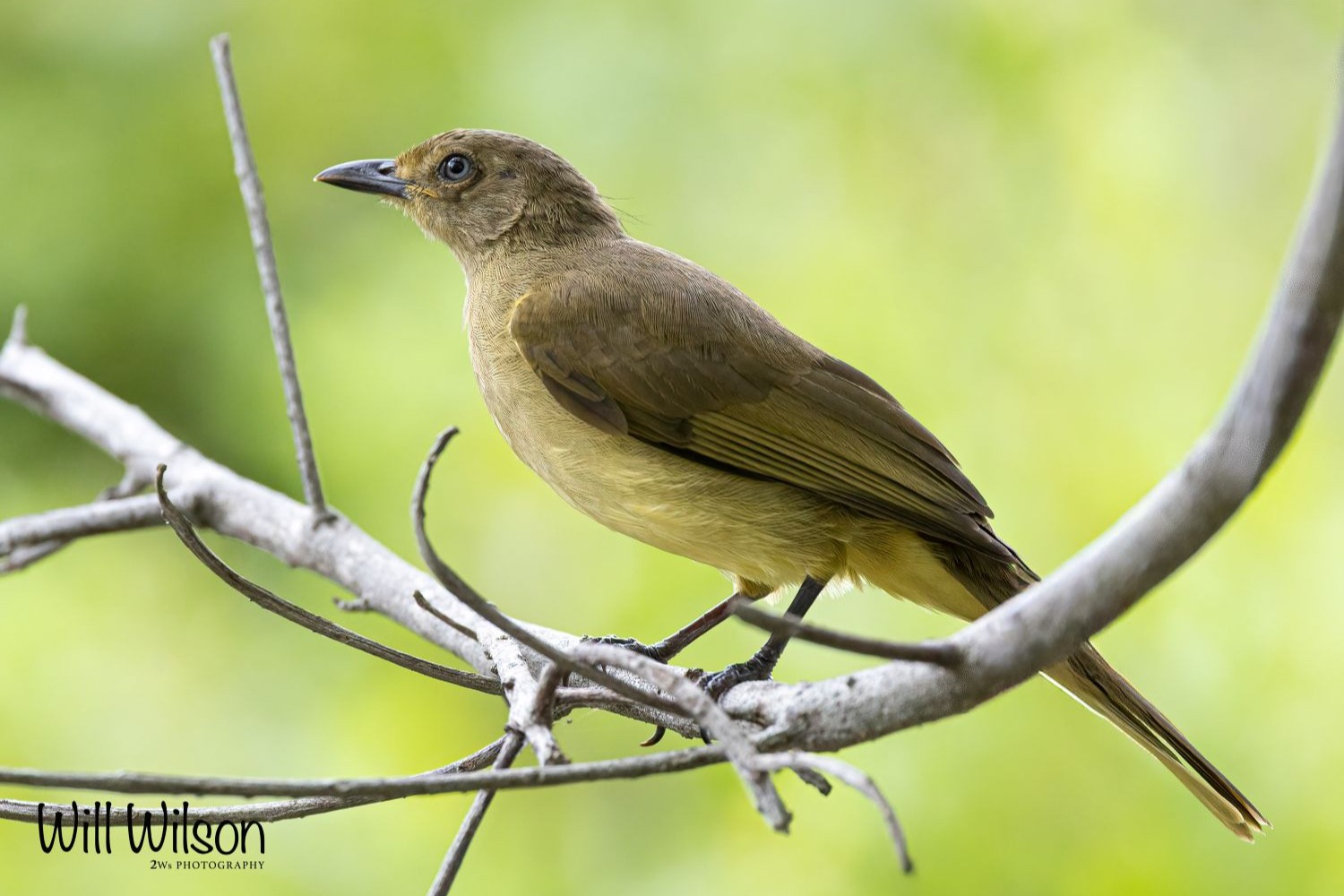
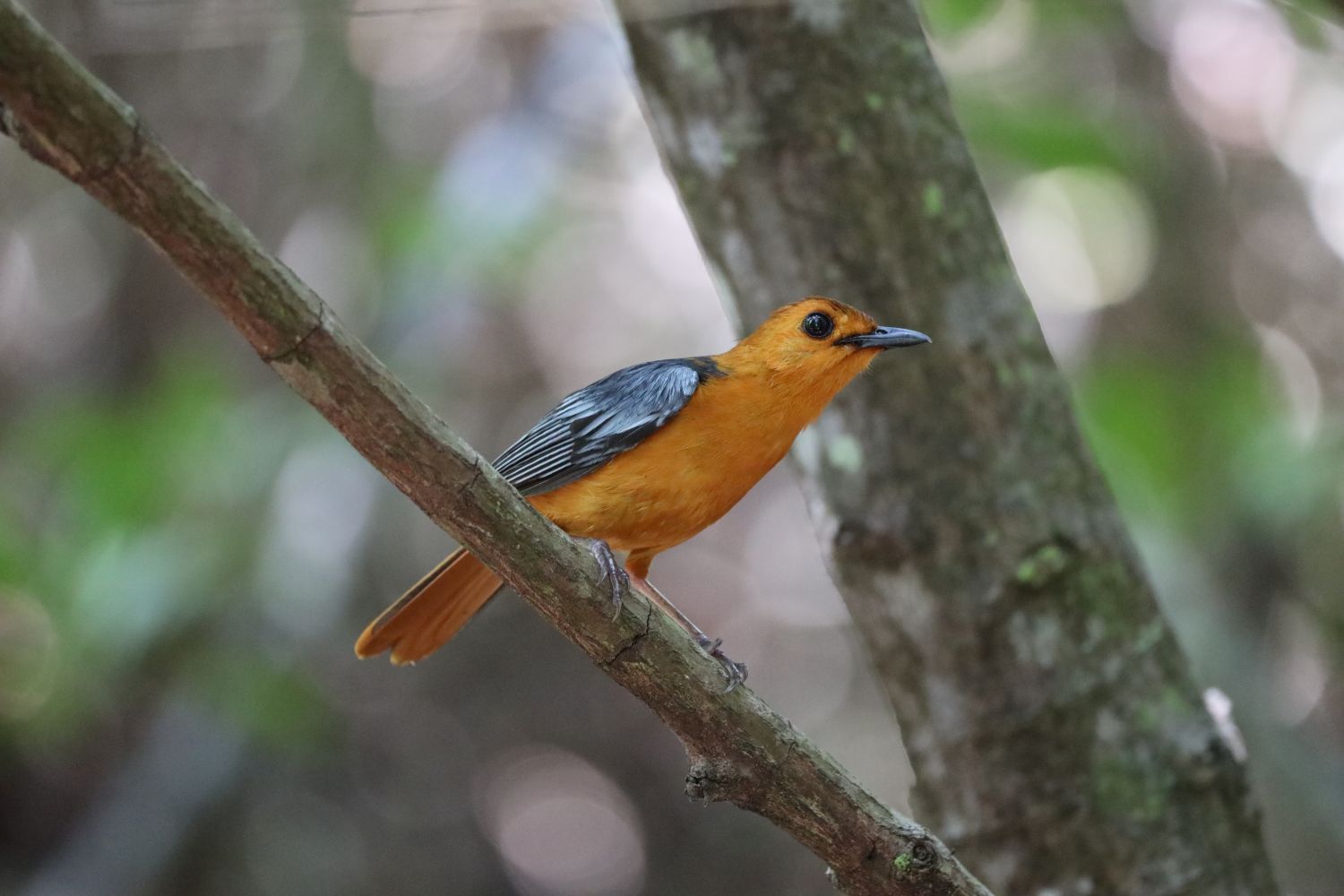
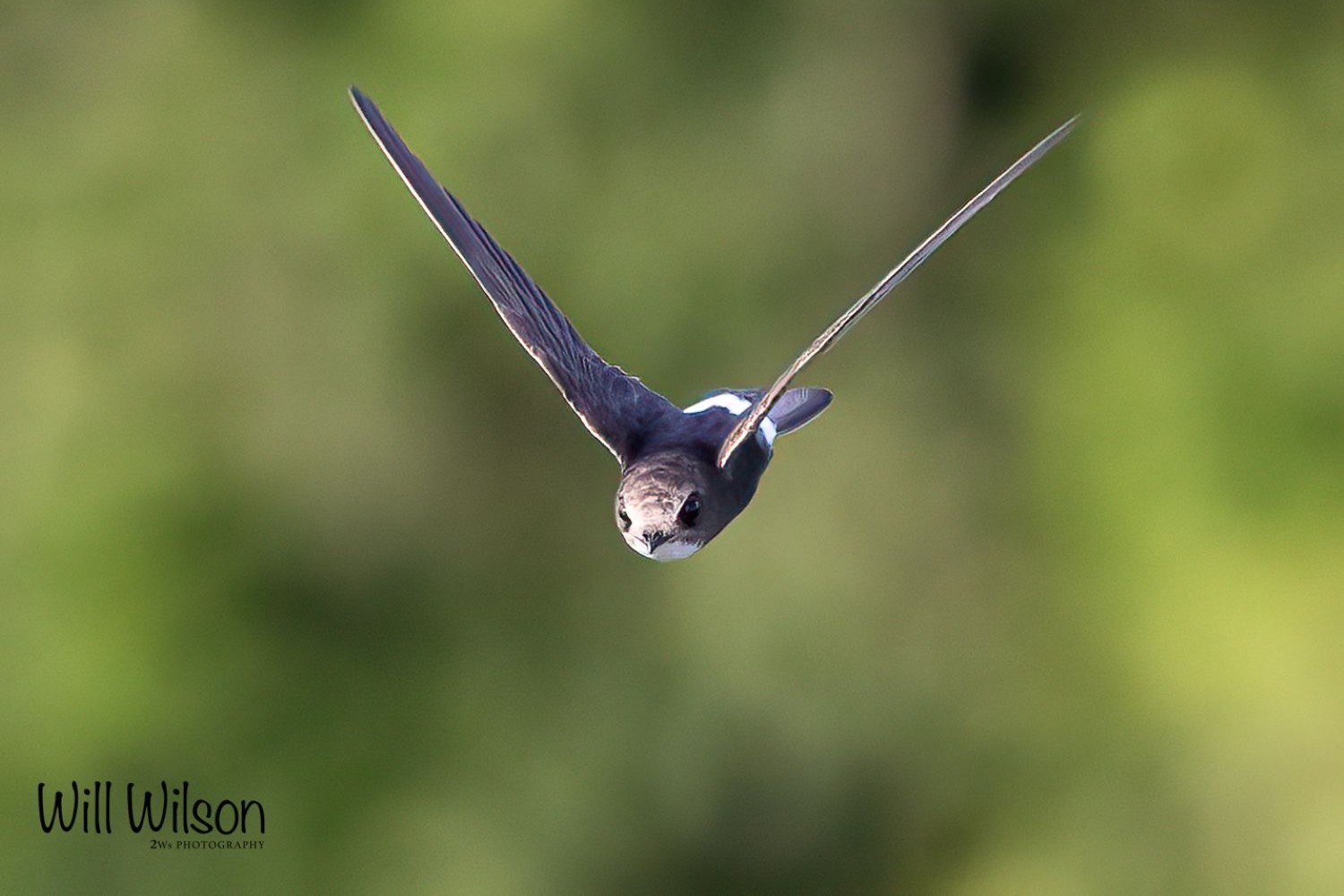
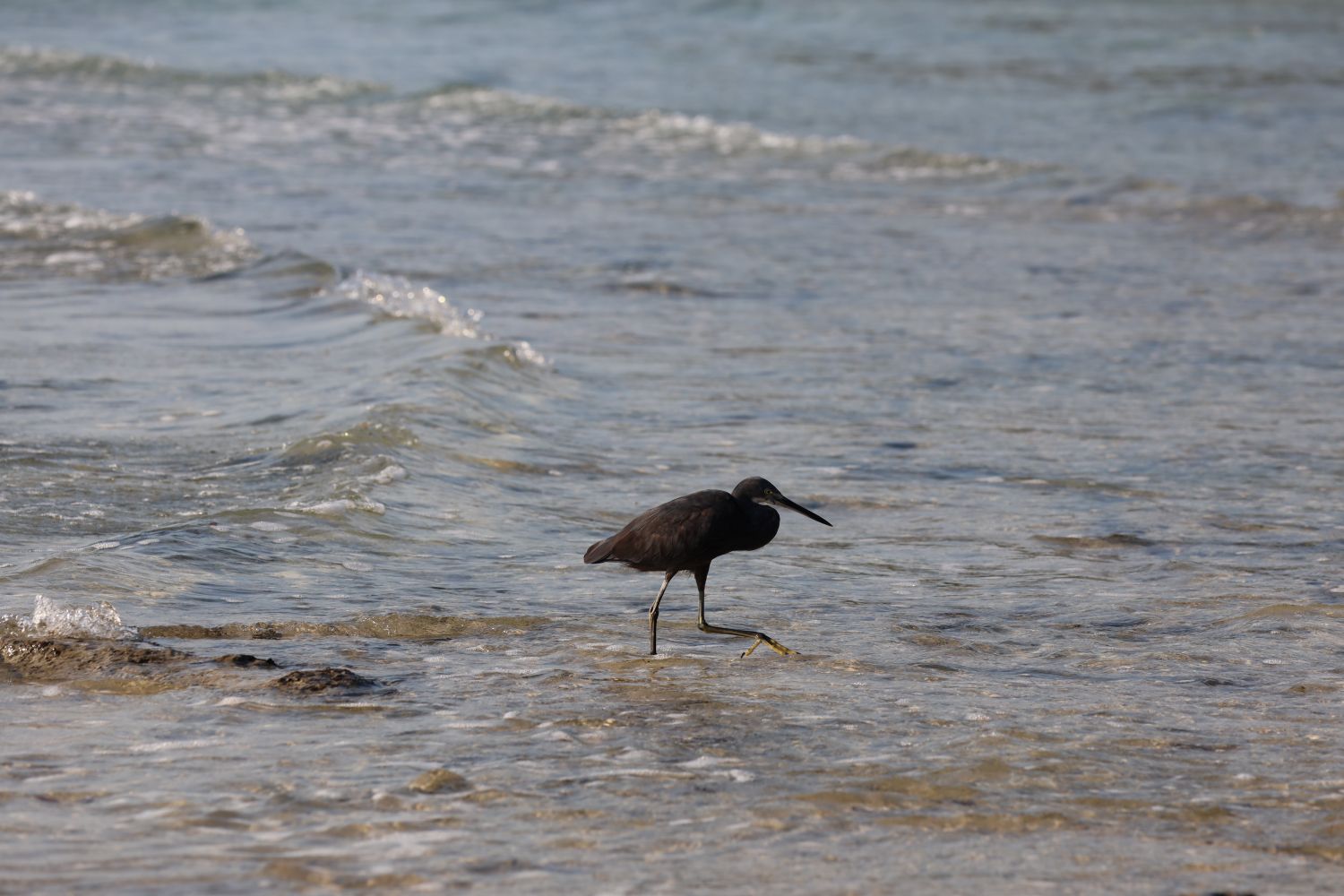
More than 80 bird species have been recorded across Chumbe’s protected coral rag forest, mangroves and shorelines. Visitors may encounter dazzling forest specialists, colourful kingfishers and sunbirds, majestic raptors, breeding seabirds and migratory shorebirds travelling thousands of kilometres along the East African Flyway. Whether you are an experienced birder or simply enjoy wildlife, Chumbe offers outstanding birdwatching in one of the most pristine island ecosystems in the western Indian Ocean.
Featured Birds of Chumbe Island
Crab-plover (Dromas ardeola) — Perhaps the ultimate prize for many coastal birdwatchers, the unmistakable Crab-plover is unlike any other wader in the world. With its striking black-and-white plumage, oversized bill and highly specialised crab-feeding behaviour, it is one of the signature birds of the western Indian Ocean. Chumbe’s protected shoreline provides an excellent place to encounter this iconic species.
Narina Trogon (Apaloderma narina) — Widely regarded as one of Africa’s most beautiful forest birds, the Narina Trogon is a true highlight for visiting birders. Brilliant emerald-green upperparts contrast with a glowing crimson breast, while its secretive nature makes every sighting especially rewarding. Chumbe’s undisturbed coastal forest offers ideal habitat for this elusive species.
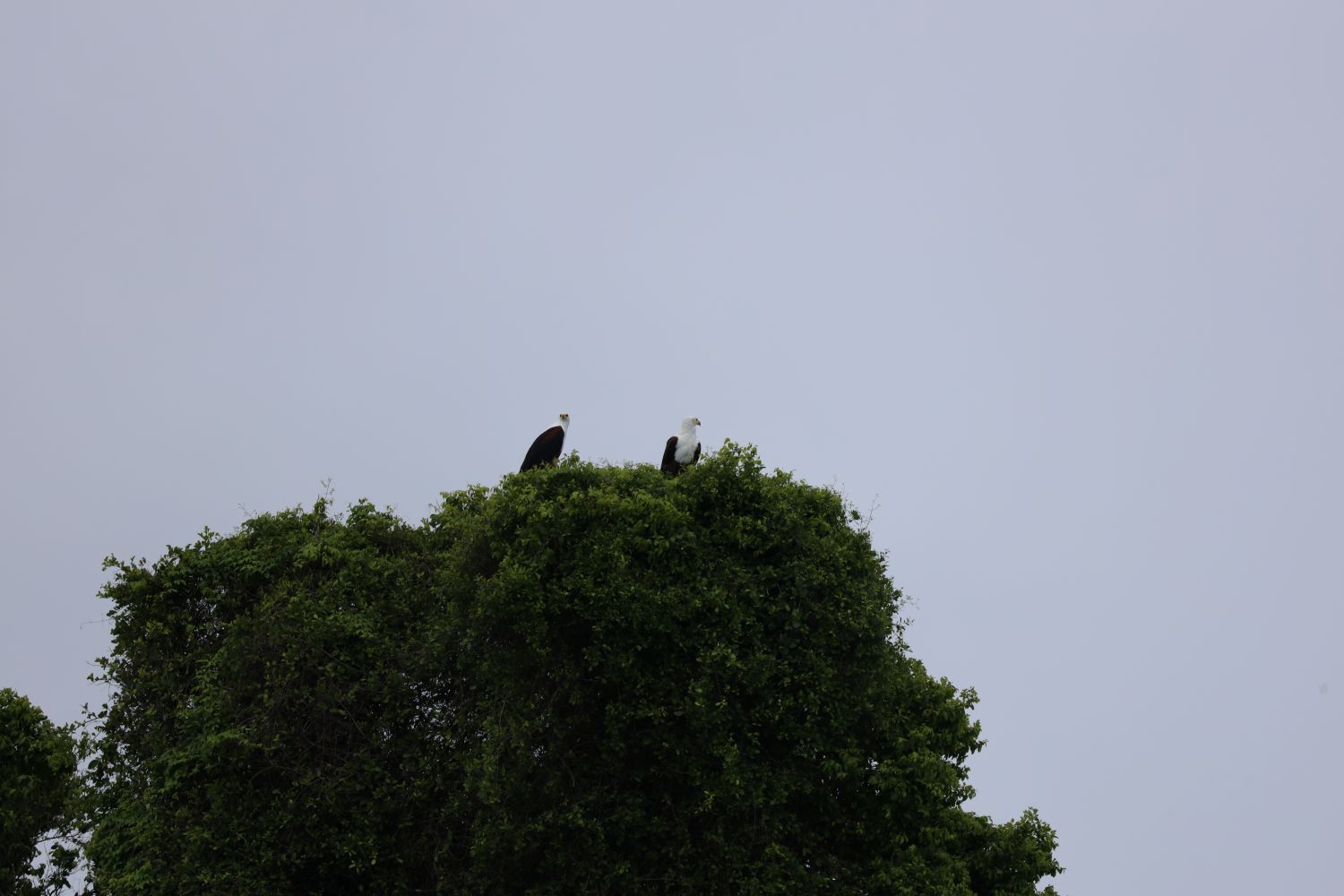
African Fish Eagle (Haliaeetus vocifer) — Few sounds evoke wild Africa more than the haunting call of the African Fish Eagle. Frequently seen soaring above the island or perched overlooking the sea, this magnificent raptor provides unforgettable photographic opportunities against Chumbe’s turquoise waters.
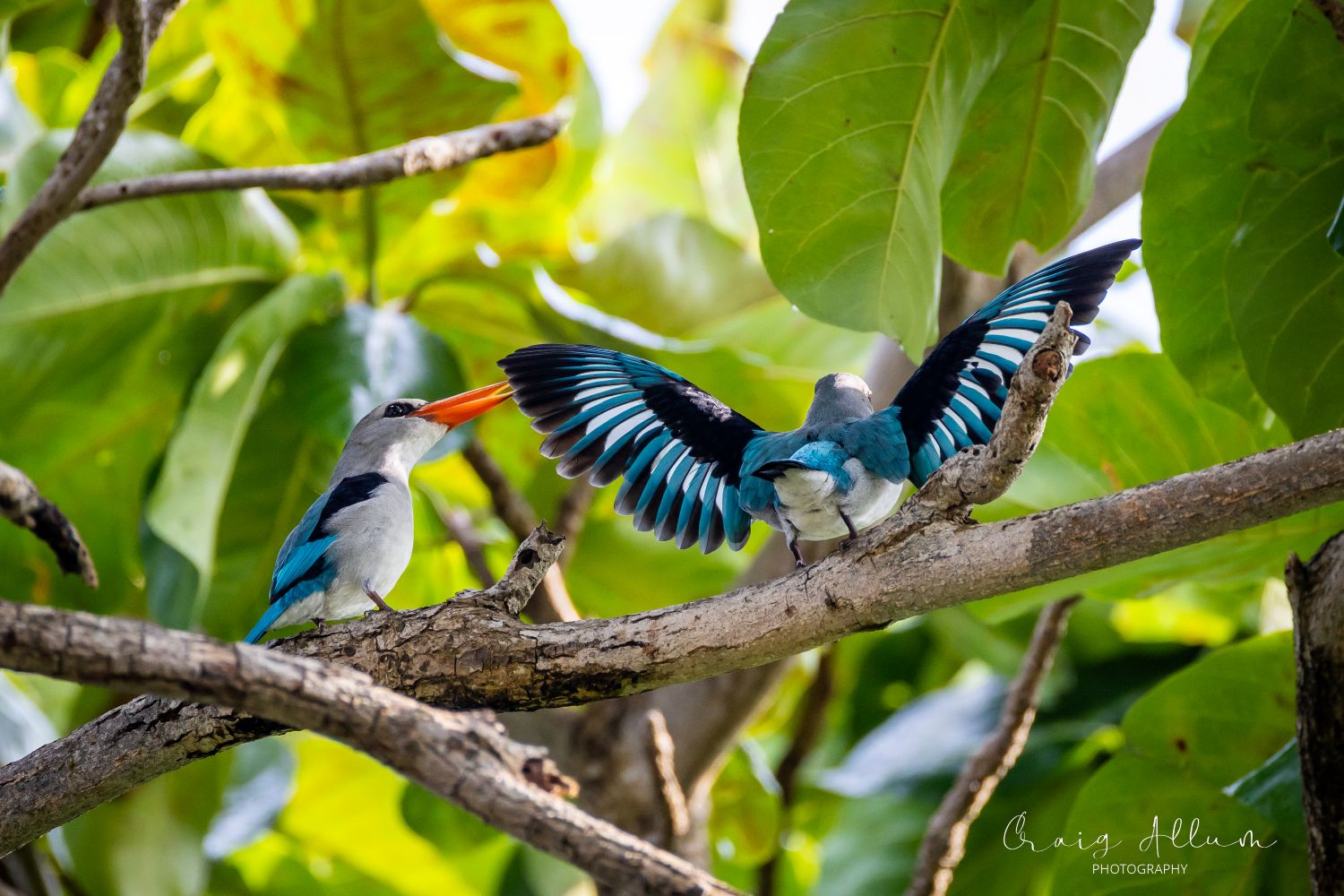
Mangrove Kingfisher (Halcyon senegaloides) — A sought-after East African coastal specialist, the Mangrove Kingfisher combines vivid turquoise, chestnut and white plumage with a preference for healthy mangrove ecosystems. Chumbe’s protected habitats provide excellent opportunities to observe this beautiful species.
African Pygmy Kingfisher (Ispidina picta) — Despite being Africa’s smallest kingfisher, this jewel-like bird is among its most colourful. With brilliant cobalt-blue upperparts and a vivid orange breast, it is a favourite among bird photographers and can often be found within Chumbe’s forest.
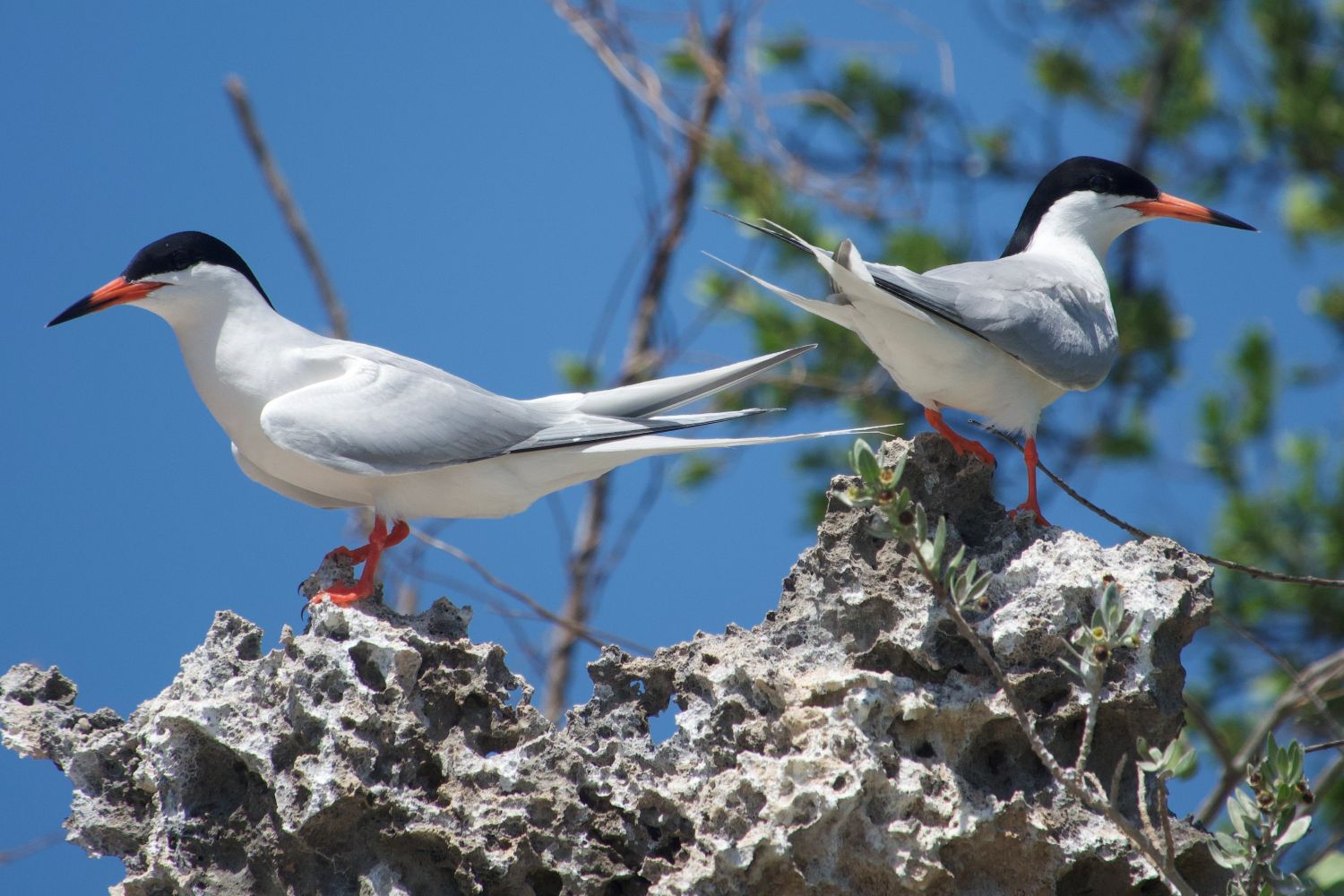
Roseate Tern (Sterna dougallii) — Elegant, graceful and globally admired, the Roseate Tern is considered one of the world’s most attractive seabirds. Chumbe’s protected marine environment offers important habitat for this species, making the island an exciting destination for seabird enthusiasts.
Bridled Tern (Onychoprion anaethetus) — This sleek tropical seabird spends much of its life far out at sea before returning to isolated islands to breed. Seeing Bridled Terns over the reefs or along Chumbe’s coastline offers visitors a glimpse into the rich birdlife of the western Indian Ocean.
Palm-nut Vulture (Gypohierax angolensis) — Unlike most vultures, this remarkable species feeds largely on the fruit of oil palms rather than carrion. Its unusual diet and striking appearance make it one of Africa’s most distinctive birds of prey and an unexpected highlight for many visitors.
Purple-banded Sunbird (Cinnyris bifasciatus) — Glittering with iridescent blues, purples and greens, the Purple-banded Sunbird is one of the jewels of East Africa’s coastal forests. Often seen feeding on flowering trees, it adds flashes of colour throughout the island.
Northern Carmine Bee-eater (Merops nubicus) — One of Africa’s most spectacular birds, the Northern Carmine Bee-eater dazzles with brilliant crimson plumage and turquoise highlights. Migratory flocks passing through Chumbe provide memorable sightings during the appropriate season.
Research & Monitoring
Since its establishment, the Chumbe Nature Reserve has provided various research opportunities for national and international students and researchers. Long-term research activities and short-term studies have been carried out by a host of academic institutions involving a varied sector of the scientific community around the world.
Our annually updated Research Plan is available in the download section and provides step-by-step guidelines on how to conduct research on Chumbe Island. Interested researchers and students can also contact [email protected] for more information.
A dedicated research board informs our visitors about ongoing studies. The most recent scientific publications and research reports are also available on our download page.
For more information, see our 3rd ten-year Chumbe Management Plan (2017-2027), download our latest Conservation and Education Status Report, or contact [email protected]